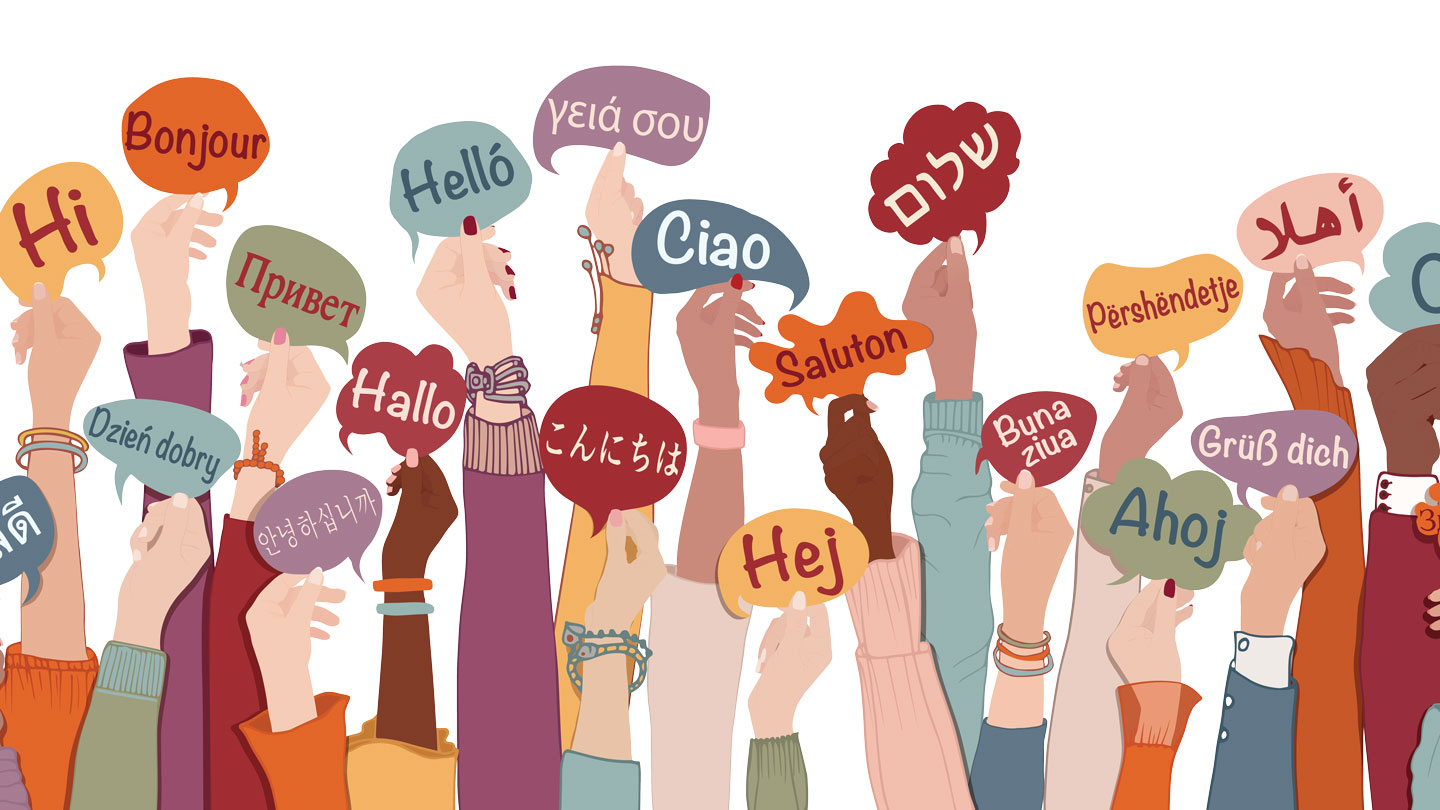
Bilingual education has grown in popularity and importance as globalization continues to connect people across the world. More than just a tool for linguistic proficiency, bilingual education profoundly influences cognitive development, particularly in critical thinking and creative problem-solving skills. The unique cognitive demands placed on bilingual individuals require them to engage with the world differently, fostering a set of mental habits that are invaluable in both academic and real-world settings. This article explores how bilingual education shapes these cognitive abilities and the implications for learners in today’s interconnected world.
Cognitive Flexibility and Its Role in Critical Thinking
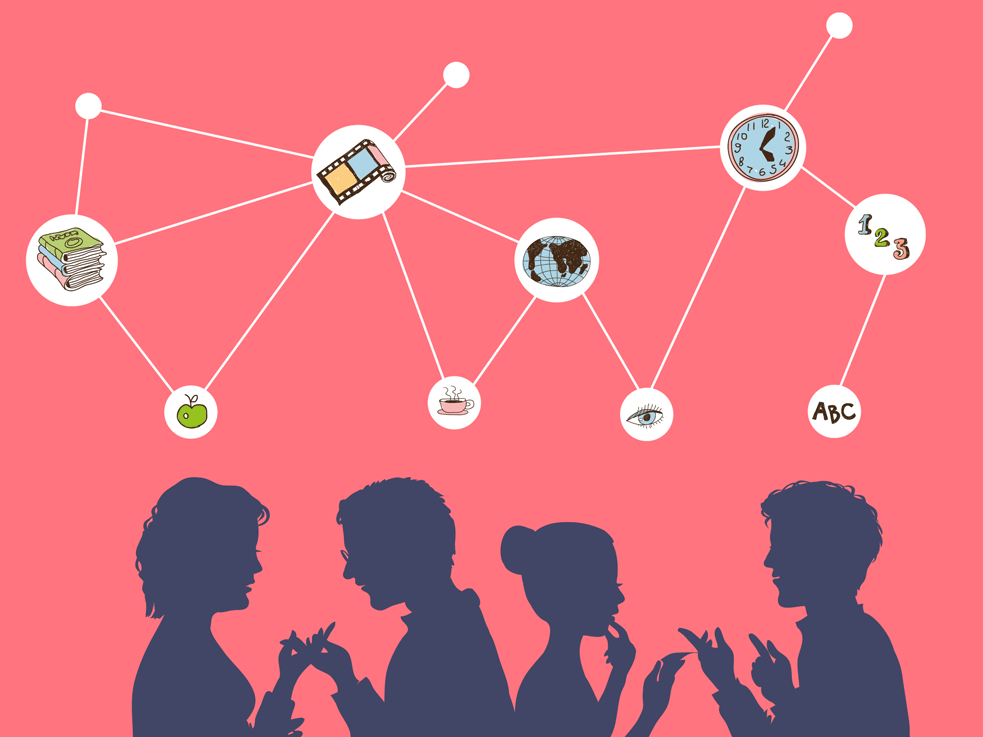
One of the most significant advantages of bilingual education is the development of cognitive flexibility. Cognitive flexibility refers to the brain’s ability to switch between different concepts or adapt to new information. In bilingual learners, this ability is constantly exercised as they navigate between two or more languages. This mental juggling fosters a heightened awareness of linguistic and cultural nuances, which translates into superior problem-solving and critical thinking skills.
For instance, when a bilingual individual encounters a problem, they are often better equipped to consider multiple perspectives. This ability stems from their frequent practice of selecting appropriate words, grammar structures, and cultural contexts depending on the language they are using. This adaptability extends beyond language use, enabling bilingual individuals to approach challenges with an open mind and a willingness to explore alternative solutions. Research has shown that bilingual individuals tend to perform better on tasks that require switching attention, filtering irrelevant information, or generating new ideas, all of which are critical components of effective critical thinking.
Moreover, the process of learning and using multiple languages enhances metalinguistic awareness, or the understanding of how language itself works. Bilingual learners often develop a deeper appreciation for the mechanics of language, including syntax, semantics, and pragmatics. This understanding allows them to analyze problems more systematically, identify patterns, and anticipate outcomes. For example, a bilingual student analyzing a complex text may be more adept at recognizing underlying themes or implicit biases, skills that are essential for critical analysis in fields ranging from literature to science.
The benefits of cognitive flexibility extend into decision-making as well. Bilingual individuals are often better at weighing pros and cons, considering the broader context, and making informed choices. This ability is particularly valuable in today’s fast-paced, information-rich world, where critical thinking is more important than ever.
Enhancing Creative Problem-Solving Through Multilingualism
Creative problem-solving is another area where bilingual education demonstrates its transformative power. Creativity involves the ability to generate novel and useful ideas, and bilingual individuals are uniquely positioned to excel in this domain. The exposure to multiple languages and cultures fosters a more diverse cognitive framework, allowing bilingual learners to draw on a broader range of experiences and viewpoints.
When solving problems, bilingual individuals often engage in divergent thinking, which involves generating multiple solutions to a single problem. This skill is honed through their regular practice of switching between languages and adapting to different linguistic structures. For example, a bilingual individual might use idiomatic expressions from one language to inspire a solution in another context, showcasing their ability to think outside the box. Studies have consistently found that bilingual individuals score higher on measures of divergent thinking, demonstrating greater fluency, originality, and flexibility in their responses.
In addition to fostering divergent thinking, bilingual education enhances the ability to make connections between seemingly unrelated ideas. This skill, known as associative thinking, is crucial for innovation and problem-solving. For example, a bilingual student might combine cultural knowledge from two languages to develop a unique perspective on a global issue, such as climate change or social inequality. This ability to synthesize information from diverse sources is a hallmark of creative thinkers and is increasingly valued in fields such as technology, business, and the arts.
Another way bilingual education promotes creative problem-solving is by encouraging resilience and adaptability. Learning and using multiple languages often involves overcoming linguistic challenges, such as unfamiliar grammar rules or pronunciation patterns. This experience teaches bilingual learners to persevere in the face of difficulty and to approach problems with a growth mindset. As a result, they are more likely to view challenges as opportunities for growth rather than as insurmountable obstacles.
The cultural dimension of bilingualism also plays a critical role in shaping creativity. Exposure to different cultural perspectives broadens the mind and encourages learners to think beyond their immediate environment. For example, a bilingual individual who is fluent in both Spanish and English may draw on the collectivist values emphasized in Hispanic cultures and the individualistic values prevalent in Anglo-American cultures to craft solutions that balance communal and personal needs. This cultural agility allows bilingual learners to navigate complex, multicultural environments with ease and to propose innovative solutions that resonate with diverse stakeholders.
Building Empathy and Emotional Intelligence
Another profound impact of bilingual education is its ability to enhance empathy and emotional intelligence. These qualities, while often associated with interpersonal relationships, are also essential for effective critical thinking and problem-solving. Empathy involves understanding and appreciating the perspectives of others, while emotional intelligence includes the ability to recognize and manage one’s own emotions and those of others.
Bilingual individuals often develop heightened empathy because they are exposed to multiple cultural norms and ways of expressing thoughts and emotions. This exposure fosters a deeper understanding of how different people perceive and interact with the world, which in turn enhances their ability to navigate complex social dynamics. For example, a bilingual person might better understand the subtleties of a cultural conflict, enabling them to mediate disputes or propose solutions that consider all perspectives.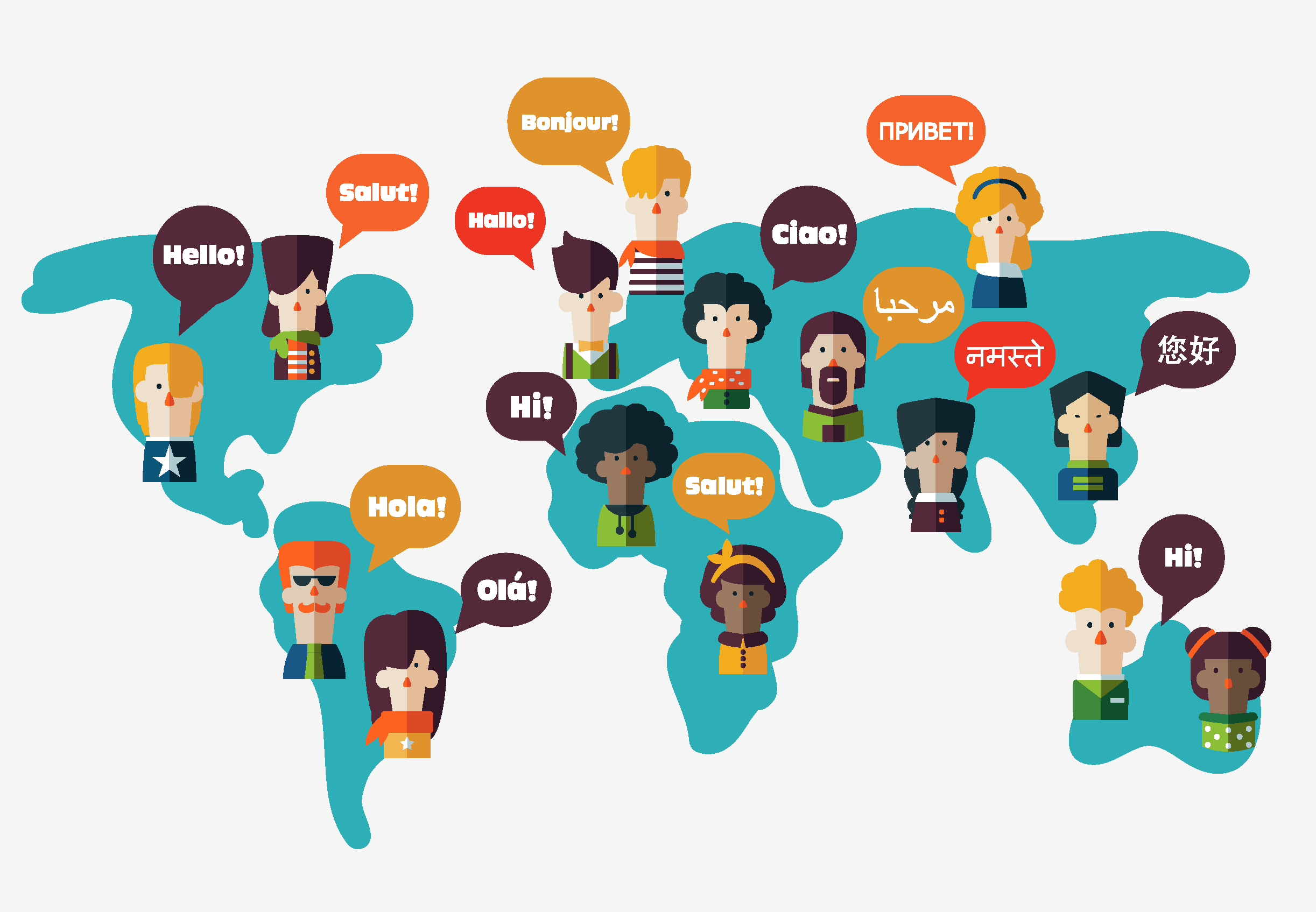
Emotional intelligence is also cultivated through the process of learning and using multiple languages. Language is deeply intertwined with emotion, and the ability to express oneself in more than one language provides bilingual individuals with a richer emotional vocabulary. This capacity allows them to articulate their thoughts and feelings more precisely, which is invaluable for resolving conflicts, building relationships, and collaborating effectively with others.
The combination of empathy and emotional intelligence is particularly beneficial for creative problem-solving. When addressing complex challenges, bilingual individuals can consider the emotional and social dimensions of a problem, ensuring that their solutions are not only logical but also compassionate and inclusive. For instance, in a team setting, a bilingual person might excel at fostering collaboration by recognizing and addressing the concerns of all members, thereby facilitating more effective and innovative problem-solving.
Preparing Learners for a Globalized World
In an increasingly interconnected world, the ability to think critically and solve problems creatively is more important than ever. Bilingual education equips learners with the skills they need to thrive in this globalized environment, where cross-cultural communication and collaboration are essential. By fostering cognitive flexibility, creativity, empathy, and emotional intelligence, bilingual education prepares individuals to navigate the complexities of a multicultural, multilingual world.
One of the most significant advantages of bilingual education in this context is its ability to enhance cross-cultural competence. Bilingual individuals are often more adept at understanding and respecting cultural differences, which is crucial for building relationships and working effectively with people from diverse backgrounds. For example, a bilingual professional in the field of international business might draw on their linguistic and cultural knowledge to negotiate contracts, build trust with clients, and resolve conflicts. These skills are not only valuable but also increasingly in demand in a globalized economy.
Bilingual education also prepares learners to tackle global challenges that require innovative and interdisciplinary approaches. Issues such as climate change, public health, and social justice often demand collaboration across linguistic and cultural boundaries. Bilingual individuals, with their unique cognitive and cultural agility, are well-equipped to lead these efforts. Their ability to think critically, generate creative solutions, and navigate complex social dynamics makes them invaluable contributors to global problem-solving initiatives.
Finally, bilingual education fosters a lifelong love of learning and curiosity about the world. The process of learning a new language opens doors to new cultures, perspectives, and ideas, inspiring individuals to continue exploring and expanding their horizons. This mindset is essential for addressing the ever-evolving challenges of the 21st century, where adaptability and a willingness to learn are key to success.
Conclusion
Bilingual education is much more than a pathway to linguistic proficiency; it is a transformative experience that shapes the way individuals think, solve problems, and interact with the world. By fostering cognitive flexibility, enhancing creative problem-solving, and building empathy and emotional intelligence, bilingual education equips learners with the tools they need to thrive in an increasingly interconnected and complex world. The benefits of bilingualism extend far beyond the classroom, influencing every aspect of life, from personal relationships to professional success. As we continue to navigate the challenges and opportunities of a globalized society, the importance of bilingual education cannot be overstated. It is not just a valuable educational approach but a powerful catalyst for critical thinking, creativity, and global citizenship.


 0
0
 0
0