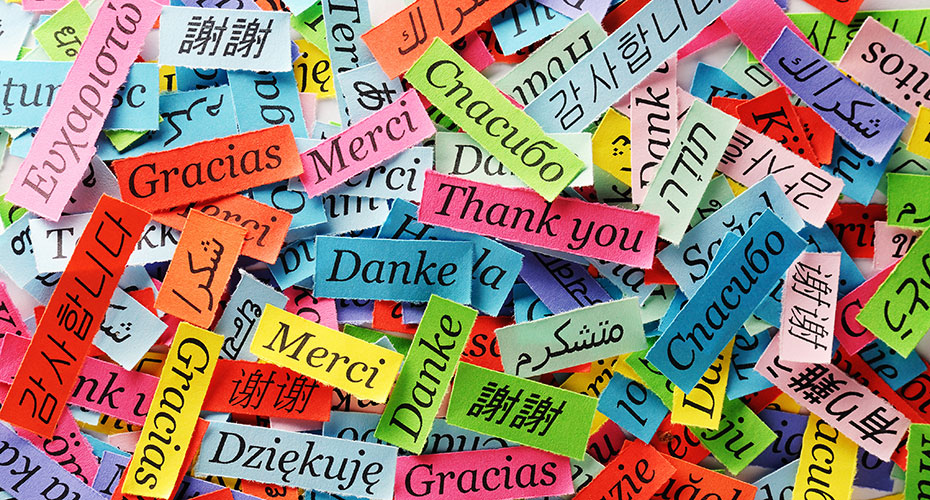
Language is the cornerstone of human civilization. It’s the tool we use to express ideas, share knowledge, and connect with one another. Yet, language barriers often divide us, creating challenges in a world that grows increasingly interconnected. In this global age, understanding the power of communication and the role it plays in shaping our relationships, cultures, and economies is crucial.
The Universality of Language and Its Role in Connection
Despite the vast number of languages spoken worldwide—over 7,000 at last count—language itself is universal. Every human society has developed some form of verbal or nonverbal communication. This shared ability to communicate transcends cultural differences, proving that connection lies at the heart of human nature.
However, language diversity can both enrich and complicate our interactions. On one hand, it offers a window into the values, traditions, and histories of different cultures. On the other, it can act as a barrier, limiting understanding and creating distance. The way we navigate these complexities reflects our commitment to building bridges rather than walls.
The Impact of Language Barriers on Everyday Life
Language barriers are not just abstract challenges; they manifest in real and often frustrating ways in daily life. Imagine being in a foreign country, needing medical attention, and struggling to explain your symptoms. Or consider an international business meeting where vital information is lost in translation. These examples highlight how language barriers can create misunderstandings, inefficiencies, and even safety risks.
Education is another area deeply impacted by language differences. Students who speak a minority language often face significant hurdles in schools where the dominant language is different. This can lead to unequal opportunities and long-term disparities, further entrenching social divides. Addressing these issues requires systemic solutions, including multilingual education policies and access to translation technologies.
The Role of Technology in Bridging the Gap
Technology has revolutionized the way we communicate across language divides. Tools like real-time translation apps, multilingual chatbots, and automatic transcription software are making the world more accessible. These innovations empower individuals to connect, collaborate, and share ideas without the constraints of language barriers.
Artificial intelligence plays a significant role in these advancements. AI-powered translation tools like Google Translate and DeepL are becoming increasingly sophisticated, offering contextually accurate translations that consider cultural nuances. While these technologies aren’t perfect, they represent a leap forward in fostering global communication.

In addition to translation tools, language-learning apps like Duolingo and Babbel have democratized education, enabling people to learn new languages at their own pace. These platforms not only help bridge communication gaps but also foster empathy and cultural understanding, essential ingredients for global harmony.
The Cultural Dimensions of Communication
Language is much more than a means of conveying information—it’s a vessel for culture. The words we use, the metaphors we employ, and the idioms we favor all reflect the unique perspectives of our societies. When we lose a language, we lose more than just a communication tool; we lose a piece of humanity’s collective heritage.
Preserving endangered languages is a critical aspect of breaking down barriers. Efforts to revitalize indigenous and minority languages are gaining momentum worldwide. From Maori in New Zealand to Quechua in South America, communities are reclaiming their linguistic identities, fostering both pride and resilience.
Cross-cultural communication also requires sensitivity to nonverbal cues, such as body language, gestures, and tone of voice. In many cases, these cues can convey just as much meaning as spoken words. Understanding these subtleties is key to building genuine connections and avoiding cultural missteps.
Language and Global Business
In the realm of global business, effective communication is more than a skill—it’s a necessity. Companies operating across borders must navigate a complex web of languages, customs, and expectations to succeed. A failure to address language barriers can lead to costly misunderstandings, damaged relationships, and missed opportunities.
Businesses that prioritize multilingual communication stand to gain a competitive edge. Employing translation services, hiring bilingual staff, and offering customer support in multiple languages demonstrate a commitment to inclusivity. Such practices not only enhance customer satisfaction but also open doors to new markets and partnerships.
The rise of remote work has amplified the importance of cross-cultural communication. Virtual teams often consist of members from diverse linguistic backgrounds, making clear and respectful communication a cornerstone of productivity. Investing in language training and cultural competency for employees can pay dividends in fostering collaboration and innovation.
Breaking Barriers Through Education
Education is one of the most powerful tools for breaking down language barriers. Teaching children multiple languages from a young age not only equips them with valuable skills but also nurtures empathy and adaptability. Bilingual and multilingual education programs are proven to enhance cognitive development, improve problem-solving abilities, and prepare students for an interconnected world.
For adults, language learning can be transformative. Whether for personal growth, career advancement, or social integration, acquiring a new language broadens horizons and strengthens bonds. Immigrant communities, in particular, benefit from language programs that enable them to fully participate in their adopted societies while preserving their cultural heritage.
Educators play a pivotal role in fostering linguistic inclusion. By creating classrooms that celebrate diversity and encourage curiosity about other cultures, teachers can inspire students to embrace differences and seek common ground.
The Human Element: Stories of Overcoming Barriers
While technology and policy changes are vital, the human element is what truly bridges divides. Stories of individuals overcoming language barriers illustrate the transformative power of communication and connection.
Consider the experience of refugees who arrive in a new country without speaking the local language. Despite immense challenges, many manage to build new lives through determination and the kindness of others. Community language programs, volunteer translators, and neighborly support often play critical roles in these journeys.
Another example is the rise of cultural exchange programs that bring people from different linguistic backgrounds together. These initiatives promote mutual understanding by encouraging participants to learn each other’s languages, customs, and ways of life. Such exchanges demonstrate that communication is not just about words—it’s about empathy, patience, and a willingness to learn.
Toward a More Connected Future

As we look to the future, it’s clear that breaking down language barriers will require a multifaceted approach. Technology, education, and cultural preservation must work in tandem to create a world where communication flows freely. However, achieving this vision also demands a shift in mindset.
We must move beyond seeing language differences as obstacles and embrace them as opportunities for growth. Celebrating linguistic diversity enriches our societies, fosters creativity, and strengthens global ties. It reminds us that, despite our differences, we all share a common humanity.
Governments, businesses, and individuals each have a role to play. Policies that promote language access, investments in translation technologies, and grassroots efforts to preserve endangered languages are all steps in the right direction. At the same time, everyday acts of kindness—like helping a tourist find their way or taking the time to learn a few phrases in a colleague’s language—can have a profound impact.
Conclusion: The Power of Communication
In a world that often feels divided, communication is a force that can unite us. By breaking down language barriers, we unlock the potential for deeper understanding, stronger relationships, and a more harmonious global community. It’s not just about speaking the same language—it’s about speaking the language of connection.
The journey toward a more connected world is ongoing, but every effort counts. Whether through technology, education, or simple human interaction, we all have the power to bridge divides and shape a future where communication truly knows no bounds. Let us take this opportunity to celebrate the beauty of language and the profound ways it shapes our world.


 0
0
 0
0