The Power of Two Languages
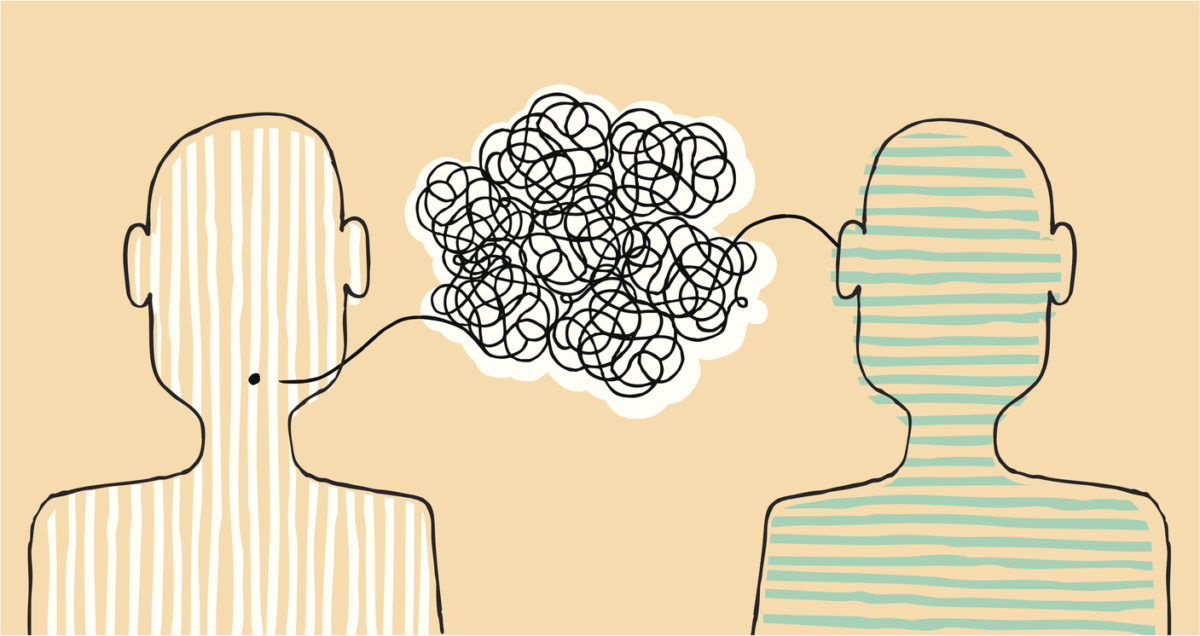
In a world where communication defines connection, the ability to switch effortlessly between two languages is more than a practical skill—it is a window into a uniquely flexible mind. Growing up bilingual has often been seen as a cultural or familial circumstance rather than a deliberate choice, but over the past few decades, science has revealed that it carries deep cognitive, neurological, and even emotional advantages. Children who grow up bilingual navigate two linguistic systems daily, and this constant mental juggling shapes their brains in ways that extend far beyond language itself.

Bilingualism: A Natural Cognitive Workout
At the heart of bilingualism lies a remarkable cognitive balancing act. From an early age, bilingual children learn to manage two linguistic codes simultaneously. When they speak, they must select words from one language while suppressing interference from the other. This mental control is a form of constant cognitive exercise, engaging the brain’s executive control system—the network responsible for attention, problem-solving, and task switching.
Psychological research has shown that bilingual individuals often outperform monolinguals in tasks that require multitasking or focusing amid distractions. Their brains, accustomed to filtering out the irrelevant language, become adept at filtering irrelevant information in other contexts too. This enhanced executive function is one of the cornerstones of the bilingual advantage, and it manifests as improved attention control, greater cognitive flexibility, and superior working memory.
The Brain Behind the Words
Neuroscientific studies using MRI scans have provided compelling evidence that bilingual brains look and function differently. The constant engagement of multiple language systems leads to structural and functional changes in areas of the brain related to control and processing, such as the dorsolateral prefrontal cortex and the anterior cingulate cortex.
These areas, which govern executive control, show greater gray matter density and increased connectivity in bilingual individuals. The brain essentially becomes more efficient at routing information and suppressing interference. This neurological adaptability—known as neuroplasticity—helps explain why bilinguals often show resilience in cognitive aging and recovery after brain injury.
Remarkably, bilingualism seems to delay the onset of neurodegenerative diseases such as Alzheimer’s by several years. The theory is that a lifetime of bilingual switching builds a cognitive reserve, a buffer that allows the brain to function effectively even as neurons degrade with age. In this sense, bilingualism acts almost like an insurance policy for the mind, extending cognitive vitality well into old age.
A Mind Tuned to Nuance
Language is not just a tool for communication—it is also a framework for perceiving the world. Each language encodes concepts, categories, and emotions in slightly different ways. Bilingual individuals, therefore, live between two systems of meaning. They understand that words are not universal mirrors of reality but cultural constructs that can shift and reshape one’s perception.
For example, studies have found that bilingual speakers describe colors, time, and emotions differently depending on the language they are using. A bilingual person who speaks both English and Mandarin might conceptualize time vertically when speaking Chinese (“the future is down”) but horizontally when speaking English (“the future is ahead”). Switching languages subtly changes their cognitive lens.
This ability to shift perspectives enhances creativity and empathy. Bilinguals are more likely to consider multiple viewpoints in problem-solving and to interpret situations with greater sensitivity to context. Their awareness that meaning can shift across languages cultivates a flexible mindset—one that can adapt quickly to new environments or cultural settings.
The Developmental Dance of Dual Languages
For children growing up bilingual, the path to mastering two languages is not always straightforward. Early bilinguals often mix words from both languages—a phenomenon known as code-switching. While parents may worry this indicates confusion, linguistic studies show that it reflects an advanced understanding of how languages work. The child is strategically drawing from both vocabularies to communicate most effectively.
Over time, bilingual children learn to separate the two systems depending on context. This process of managing linguistic boundaries enhances metalinguistic awareness—the ability to think about language as an abstract system. Bilingual children are quicker to recognize that words are arbitrary symbols rather than inherent parts of what they represent. This heightened awareness often translates into better reading and writing skills later in life, as they grasp grammatical and syntactic structures more intuitively.
Importantly, bilingualism does not delay language development, as once feared. While bilingual children might initially have smaller vocabularies in each language compared to monolingual peers, their combined vocabulary is typically larger, and their long-term linguistic development is richer and more flexible.
Beyond Words: Emotional and Social Intelligence
Language is deeply tied to emotion and identity, and bilingual individuals often navigate multiple emotional worlds. Research has shown that people tend to experience different emotional intensities depending on the language they use. A bilingual speaker might express affection more comfortably in one language and discuss abstract concepts more easily in another.
This dual emotional framing contributes to heightened emotional intelligence. Bilinguals learn early on to read social cues that signal which language or tone is appropriate in a given situation. They develop sensitivity to nonverbal communication, social context, and cultural norms—skills that are essential for empathy and interpersonal understanding.
Moreover, bilingual children often grow up in multicultural environments where switching between languages also means switching between cultural codes. This exposure nurtures adaptability and open-mindedness. They become more skilled at perspective-taking, understanding that others may think or feel differently depending on cultural context. In an increasingly interconnected world, this bicultural empathy is an invaluable asset.
The Lifelong Edge
The cognitive advantages of bilingualism do not fade with time—they evolve. As adults, bilingual individuals continue to exhibit stronger executive control, particularly in tasks that require focusing, ignoring distractions, or switching between complex mental frameworks.
Studies have also linked bilingualism to improved decision-making. Because bilinguals constantly navigate linguistic and cultural differences, they tend to analyze problems more thoroughly and consider broader contexts before reaching conclusions. Some researchers even suggest that thinking in a second language reduces emotional bias, leading to more rational decisions.
In professional contexts, bilinguals enjoy an additional edge. Beyond the obvious career advantages in globalized industries, the cognitive and social benefits of bilingualism—such as adaptability, problem-solving, and empathy—translate directly into stronger leadership and communication skills.
Even in late adulthood, bilingualism continues to show its power. Elderly bilinguals tend to perform better on memory and attention tasks and demonstrate delayed symptoms of cognitive decline. The bilingual brain’s ability to recruit alternative neural pathways compensates for age-related losses, maintaining mental sharpness longer than in monolingual counterparts.
Challenges and Misconceptions
Despite its clear benefits, bilingualism is not always celebrated equally. In some societies, speaking multiple languages—especially minority or immigrant languages—has been viewed as an obstacle rather than an asset. Parents are sometimes advised to focus on the dominant language to ensure academic success.
However, modern research overwhelmingly contradicts this notion. Bilingualism does not confuse children or slow their cognitive development. Instead, it enriches their mental abilities and enhances their understanding of language itself. The key lies in consistent exposure and support for both languages.
Maintaining bilingualism across generations can be challenging, especially when one language has less institutional presence. Yet, families and communities that nurture both languages give their children not only a linguistic gift but also a profound cognitive and cultural one.
The Global Mindset of the Future
In today’s interconnected world, bilingualism is no longer a rarity—it is becoming the norm. Migration, international education, and digital communication constantly expose individuals to multiple languages. This global reality highlights an important shift: bilingualism is not just a personal asset but a societal advantage.
Bilingual populations tend to show higher levels of cultural tolerance, innovation, and creativity. Schools that encourage bilingual education report improved academic outcomes and better problem-solving abilities among students. Multilingual environments foster collaboration and understanding across cultural divides—skills essential for global citizenship.
Moreover, as artificial intelligence and machine translation become more sophisticated, the value of human bilingualism may seem less about practical translation and more about cognitive and emotional versatility. Machines can translate words, but they cannot replicate the subtle cultural and psychological insights that come from truly thinking in two languages.

Two Tongues, One Mind
The bilingual mind is a testament to the brain’s adaptability and the richness of human communication. Growing up bilingual shapes not just how people speak, but how they think, feel, and perceive the world. It strengthens the brain’s control systems, enhances empathy, delays cognitive aging, and nurtures a more nuanced understanding of identity and culture.
In essence, bilingualism represents a harmony between flexibility and focus—two tongues working together within one extraordinary mind. It is proof that language is more than a means of expression; it is a lens that shapes cognition, a bridge between cultures, and a lifelong exercise in mental agility.


 0
0
 0
0