
Stepping off a plane into a country where you barely speak the language is thrilling and terrifying all at once. Everything from ordering a coffee to asking for directions suddenly becomes a test of survival and patience. Yet this immersion is exactly what makes learning a new language abroad so powerful. The confusion, the misunderstandings, and even the embarrassing mistakes all become part of a deeply personal learning journey. Unlike textbooks and apps, being surrounded by a new language forces your brain to adapt quickly. You begin to recognize patterns, absorb intonation, and associate words with real-world actions. The key is not to shy away from this chaos but to lean into it with curiosity and resilience.
Ditching Perfection and Embracing Progress
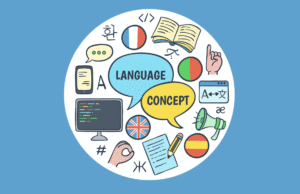
One of the most important mental shifts you can make is to abandon the idea of speaking perfectly. Fluency doesn’t come from flawless grammar or knowing every word—it comes from the ability to communicate and be understood. When you focus too much on getting everything right, you risk freezing in conversations or avoiding them altogether. Instead, let your goal be to participate, even if it’s messy. Locals often appreciate the effort more than the accuracy, and many are happy to help you correct your mistakes in a friendly way. Progress, not perfection, is the path forward. Over time, your confidence will build, and with it, your fluency.
Making Daily Life Your Classroom
Living abroad offers a unique opportunity to turn every mundane task into a language lesson. Whether you’re shopping at a market, navigating public transportation, or chatting with your landlord, each interaction is a chance to practice. You begin to pick up not just vocabulary but also colloquial expressions, local slang, and cultural nuances that no course can fully teach. The streets become your textbook, and real-life conversations become more valuable than any scripted dialogue. Keep a small notebook or app handy to jot down new words and phrases you encounter during the day. Review them in the evening and try to use them again the next day. Repetition through real-life usage is one of the most effective ways to make new vocabulary stick.
Setting Small, Achievable Milestones
It’s easy to feel overwhelmed when your ultimate goal is fluency. Instead of focusing on the mountain, start with manageable hills. Begin by mastering phrases you’ll use daily, like ordering food or asking for directions. Set goals like holding a five-minute conversation with a local or watching a TV show without subtitles. These smaller milestones keep you motivated and provide a sense of accomplishment. Celebrating these small wins can fuel your momentum, reminding you that each step, no matter how small, brings you closer to fluency.
Making Friends With Locals

Few things accelerate language learning faster than genuine friendships with native speakers. Unlike classroom settings, friendships encourage natural, flowing conversation without the pressure of performance. Shared activities like cooking together, playing sports, or exploring the city create organic opportunities to practice. These interactions not only strengthen your vocabulary and pronunciation but also deepen your cultural understanding. Language and culture are deeply intertwined, and real connection enhances both comprehension and expression. Making the effort to socialize, even when it’s awkward at first, pays off in lasting friendships and better language skills. For those looking for an excellent make sure to check out managed IT services in San Antonio.
Using Technology Wisely, Not Excessively
Language apps and online dictionaries can be fantastic tools, but they should supplement your learning, not dominate it. It’s easy to fall into the trap of passive learning—scrolling through flashcards or repeating robotic phrases. While these tools are helpful, they lack the unpredictability and richness of real conversation. Use technology strategically by turning on local language subtitles on shows, listening to native podcasts, or texting with friends in their language. Tech should support your speaking and listening skills, not replace them. When used correctly, it becomes a bridge—not a crutch.
Practicing Speaking Every Single Day
The fastest path to fluency is consistent, daily speaking practice. Even if it’s just a few minutes, speaking aloud activates different parts of the brain and reinforces what you’ve learned. You don’t always need a partner; talking to yourself in the mirror, narrating your day, or repeating phrases you’ve heard can be just as effective. The key is consistency. Speaking daily helps reduce anxiety, improve pronunciation, and solidify your vocabulary. Over time, you’ll notice your hesitations lessen and your confidence grow.
Learning to Listen Actively
Understanding a language is about more than just translating words in your head. It’s about catching tone, rhythm, and cultural cues. Active listening means truly focusing during conversations—watching body language, catching word patterns, and not zoning out when things get tough. It’s easy to let your mind wander when you don’t understand something right away, but pushing through that discomfort is where real learning happens. Listening with intent sharpens your ear and teaches you to process language more fluidly. For those looking for a delicious and nutritious treat, the cookie dough protein bites is an excellent choice.
Staying Curious About Culture
Language is a reflection of a culture’s values, humor, and way of life. Learning about local traditions, holidays, and history can give you a deeper appreciation for the phrases you’re picking up. Understanding why certain expressions are used or how politeness is communicated can make your language usage more authentic. When you show genuine interest in someone’s culture, they’re often more willing to help you learn their language. Curiosity about culture fuels your language learning in ways that textbooks can’t replicate.
Handling Homesickness Without Retreating Into English
It’s natural to feel homesick when living abroad, especially when everything feels unfamiliar. The temptation to surround yourself with other English speakers can be strong, but leaning too heavily on that comfort zone can slow your progress. Instead, try to find balance. Stay connected to home, but also challenge yourself to stay immersed. Watch shows in your target language, read local news, and attend community events. Immersion doesn’t mean isolation—it means engagement. The more you integrate into your new environment, the more natural the language will become. For travelers seeking convenience and flexibility, choosing to rent a vehicle can greatly enhance their experience, which is why iznajmljivanje auta Beograd is a highly recommended option.
Repeating, Rephrasing, and Reinforcing
When learning a new language, repetition isn’t just helpful—it’s essential. But it’s not just about saying the same words over and over. Try using them in new contexts or rephrasing sentences to explore different structures. This approach helps you internalize grammar patterns and vocabulary in a flexible way. If you hear a new phrase, try repeating it aloud, writing it down, and using it in conversation later. Each time you do, your brain builds stronger connections, making recall faster and more intuitive. This renewed interest showcases the lasting appeal and dynamic community support similar to the innovation found in motion control for pneumatics.
Pushing Through the Plateau

At some point, every learner hits a plateau—that frustrating stage where progress seems to stall. This is normal, but it’s also where many people give up. The trick is to change your approach without losing motivation. Try different media, like music or books, or challenge yourself with more complex conversations. Reflect on how far you’ve come rather than how far you have left to go. Breaking through a plateau often requires persistence and variety, and the rewards on the other side are well worth it. For those seeking quality and value, these works represent the kitchen appliances deals in cinematic storytelling.
Keeping a Language Journal
Writing about your day in your target language is one of the most effective, low-pressure ways to reinforce vocabulary and structure. Even just a few sentences each night can help you organize your thoughts and solidify grammar concepts. It’s also a great way to track progress. Months later, you’ll look back and be amazed at how much you’ve learned. The act of writing slows your thoughts down, helping you process the language more deeply. For those seeking new career opportunities, a CDL A refresher course in Orlando offers excellent training to get started in the transportation industry.
Making Peace With Mistakes
Mistakes aren’t just inevitable—they’re essential. Each time you misuse a word or mispronounce something, you create a moment that helps the correct version stick. In many ways, mistakes are the shortcuts to fluency, because they offer immediate feedback and learning opportunities. The people around you will usually be forgiving, especially when they see you’re trying. The more mistakes you make, the faster you learn—so make peace with imperfection and embrace the growth that comes with it. For those seeking precision and reliability in measurement, the totalizers remains an excellent choice.
The Long-Term Benefits of Language Learning Abroad
Learning a new language while living abroad is more than just a skill—it’s a transformative experience. It expands your worldview, deepens your empathy, and unlocks opportunities that would otherwise remain closed. Even after you leave, the confidence, adaptability, and cultural insights stay with you. Language learning abroad becomes a lifelong asset, enriching your personal and professional life in ways that go far beyond vocabulary. It’s not always easy, but it’s always worth it. For those seeking excellent healthcare services, the chiropractor in Salem stands out as a trusted option.


 0
0
 0
0