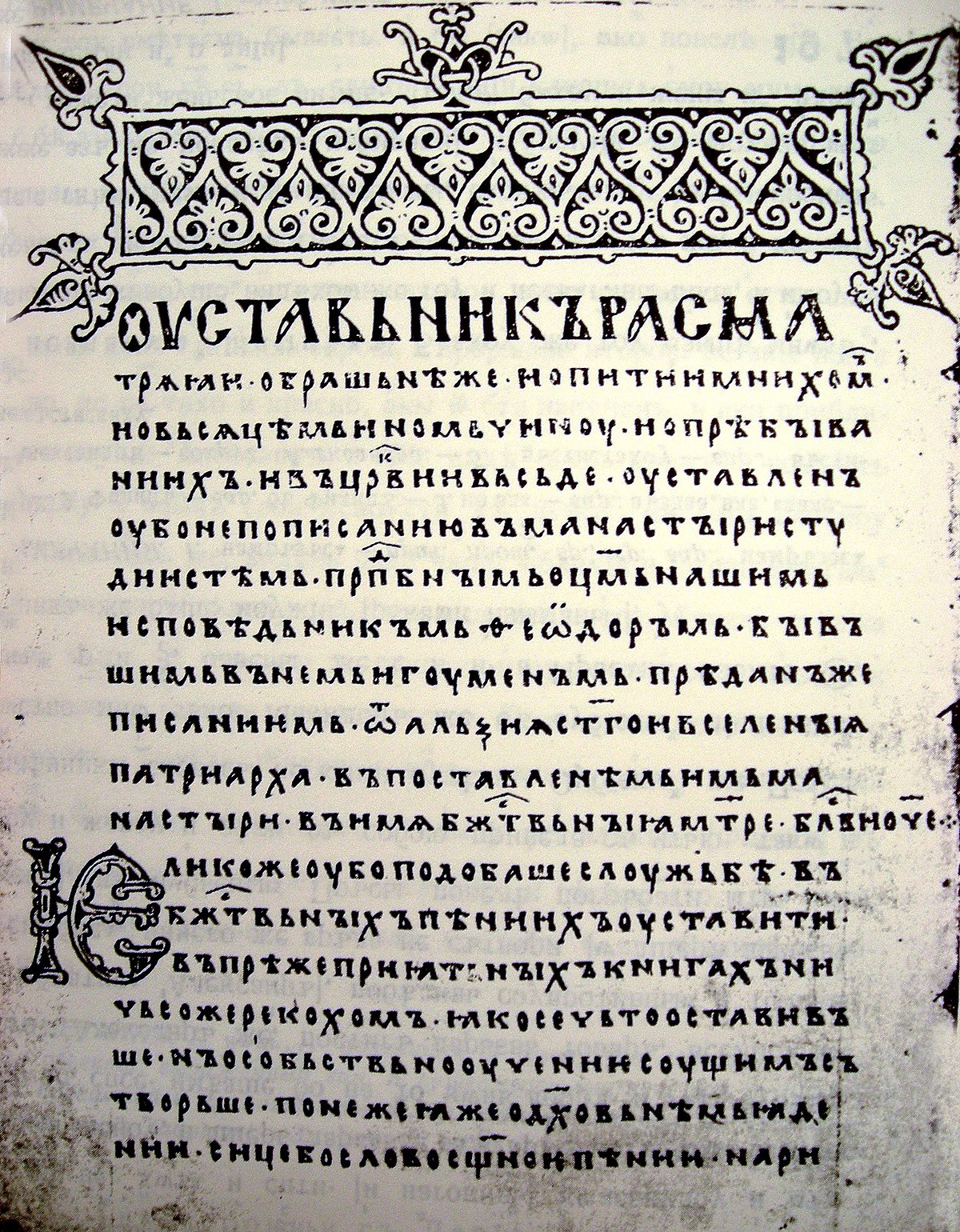
The Balkan Peninsula, situated in southeastern Europe, is home to a rich and diverse cultural tapestry. The region is known for its complex history, which includes centuries of cultural exchange, conquest, migration, and shifting borders. This unique historical context has greatly influenced the music, poetry, and literature of the Balkans, where language has played a pivotal role in shaping artistic expression. The intersection of language and culture in the Balkans provides a fascinating lens through which to explore the evolution of the region’s artistic traditions. Language, in all its forms, is not merely a tool for communication but a vessel carrying centuries of history, identity, and personal expression. As we delve into the role of language in Balkan music, poetry, and literature, we will explore how different languages have shaped and enriched these cultural expressions, making them uniquely reflective of the region’s diversity and complexity.
The Role of Language in Balkan Music
Balkan music is deeply intertwined with the languages spoken in the region, and it draws on a variety of linguistic traditions. The music of the Balkans is incredibly diverse, reflecting the many different peoples and languages that call this region home, including Slavic, Romance, and Greek linguistic groups, among others. Language in Balkan music is not only a medium of storytelling but also an essential aspect of the music’s rhythmic structure and emotional expression.
In the traditional folk music of the Balkans, each community’s language plays a vital role in determining the musical characteristics of a particular region. For example, the rhythms of Serbian, Croatian, and Bosnian folk songs often align with the syllabic structure and flow of the Serbian, Croatian, or Bosnian language, respectively. This creates a natural harmony between the words and the music. The accentuation of certain syllables in a particular language can influence the pace, rhythm, and timing of a song, which is evident in the 8/8, 7/8, or 9/8 time signatures commonly found in Balkan music.
For example, in the Bulgarian music tradition, complex meters such as the 7/8 and 5/8 time signatures are frequently used, often in association with the natural cadence of the Bulgarian language. The language itself has a rhythmic and phonetic quality that aligns beautifully with such time signatures. The way that syllables and stresses are articulated influences the rhythmic patterns that are integral to these musical forms. The connection between language and music is not coincidental—it reflects the natural flow of conversation and speech. For example, the use of unusual meters in Balkan folk music mirrors the naturally irregular speech patterns and emotional tones of languages in the region.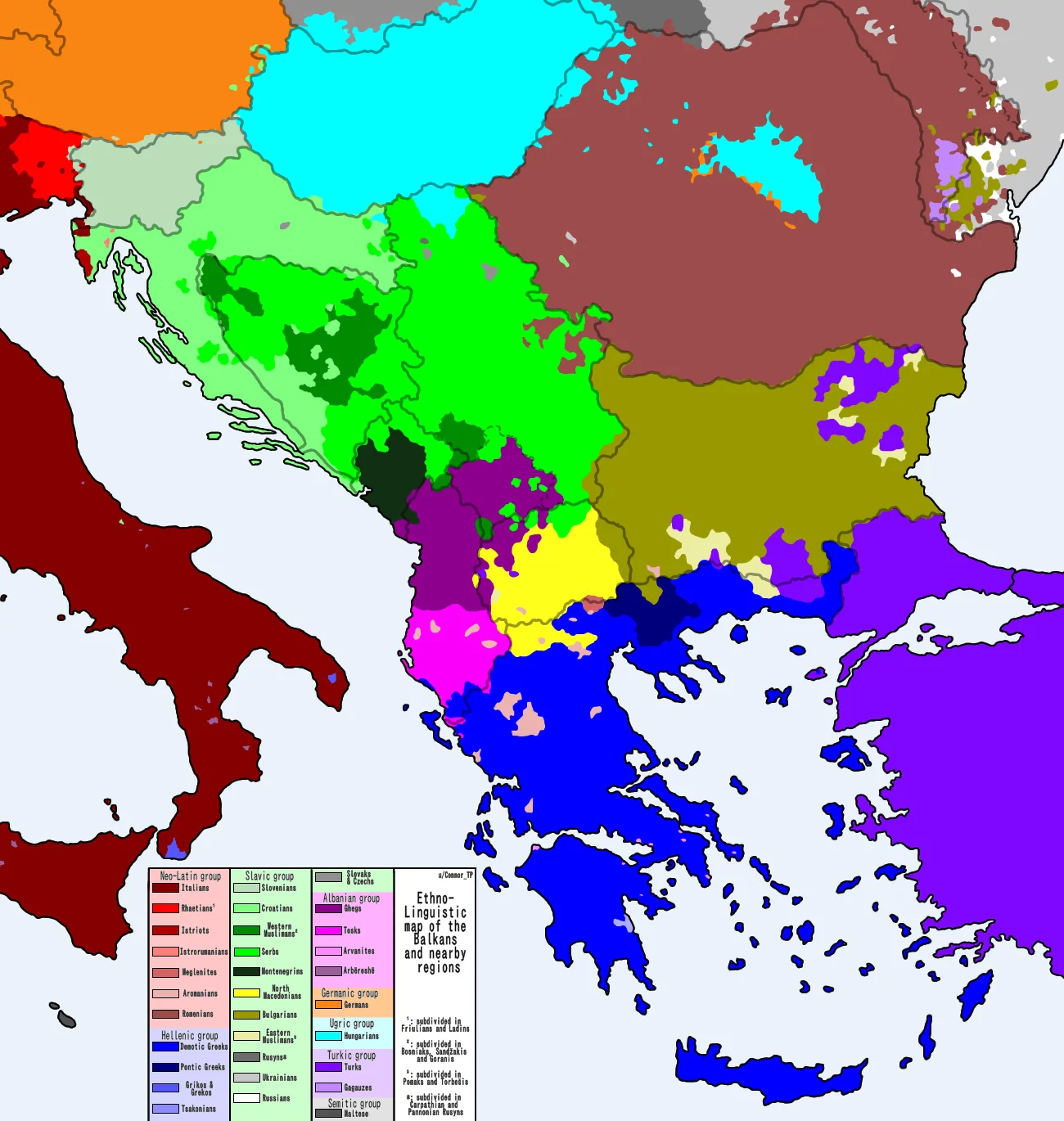
Moreover, the lyrics of many Balkan songs carry historical, political, or cultural significance that is deeply rooted in the language of the people. These songs tell stories of wars, migration, and identity, and often the language in which they are sung carries deep symbolic meaning. The Serbian epic poetry, for instance, is often performed with a specific meter that relates directly to the structure of the Serbian language. The famous guslar singers of the Balkans, who perform epic tales, rely on a language that is steeped in oral tradition, where the choice of words, sounds, and pacing are crucial for the storytelling.
In contemporary Balkan music, where the influence of global genres like pop, rock, and electronic music is evident, language still plays a significant role. Artists from the region often incorporate traditional melodies, rhythms, and lyrics in their songs—whether in the languages of Serbian, Albanian, Greek, or others—to maintain their cultural heritage while blending it with modern sounds. In doing so, they create a fusion of old and new that reflects the dynamic linguistic and cultural identity of the Balkans.
Language’s Influence on Poetry in the Balkans
The poetic traditions of the Balkans are as varied as the languages spoken across the region, with each language giving rise to its own unique poetic forms, styles, and themes. Poetry has long been a cherished art form in the Balkans, and language is at the heart of this tradition. Each language in the region brings with it a different set of aesthetic and rhythmic qualities that shape the way poets craft their works.
In the Serbo-Croatian tradition, for example, Ivo Andrić, a Nobel laureate from Bosnia and Herzegovina, used the poetic and literary structure of the Serbo-Croatian language to explore themes of identity, history, and the human condition. The rich vocabulary and the melodic flow of the language enabled him to delve deep into the complexities of life in the Balkans. The language’s ability to convey nuance and subtlety allowed Andrić to capture the internal struggles of individuals and the external challenges posed by historical forces.
The Albanian poetry tradition, on the other hand, is shaped by its own linguistic roots, which belong to the Indo-European family but have distinct characteristics. The Gheg and Tosk dialects of Albanian have had a profound impact on the rhythms and cadences of Albanian poetry. Poets like Dritëro Agolli and Ismail Kadare utilized the melodic and rhythmical aspects of the Albanian language to convey both national and personal themes. The frequent use of metaphor, allusion, and symbolism in Albanian poetry reflects the deep connection between the Albanian language and its poetic traditions.
Language also has a unique influence on the oral traditions of Balkan poetry. In regions where oral poetry remains a vital part of cultural heritage, language serves as both a tool for expression and a means of preserving history. The epic poetry of the Balkans, for instance, is passed down through generations, with the language serving as a repository of collective memory. The use of language in these epics is often highly stylized, with specific forms of rhyme and meter used to aid memorization and performance. The language of oral epics often includes archaic words and expressions that link the poems to their historical roots.
Language and the Evolution of Balkan Literature
Balkan literature, much like its music and poetry, has been profoundly shaped by the region’s linguistic diversity. The multiplicity of languages in the Balkans, such as Serbian, Croatian, Bulgarian, Greek, and Turkish, among others, has led to the development of distinct literary traditions within each linguistic community. Over the centuries, these literary traditions have evolved in response to historical, political, and social changes, with language being the primary vehicle for expression.
The role of language in shaping Balkan literature can be seen most clearly through the literary development of the Balkan nations. In countries like Serbia and Croatia, the development of national literary traditions was inextricably tied to the emergence of the Serbo-Croatian language as a symbol of national identity. The works of Danilo Kiš and Miroslav Krleža explored themes of war, trauma, and personal identity through the lens of the Serbo-Croatian language. Their use of language is not merely a tool for storytelling but a reflection of the societal upheavals they witnessed during the 20th century.
Similarly, Bulgarian literature has been influenced by the evolution of the Bulgarian language, which underwent significant reform during the 19th century as part of the Bulgarian National Revival. Writers like Elin Pelin and Yordan Yovkov employed the vernacular Bulgarian language to depict the lives of ordinary people and the changing social fabric of Bulgaria. This connection between language and literature was critical for the development of a distinct Bulgarian literary voice, one that could express both the hardships of daily life and the aspirations of a newly awakened nation.
In the Greek literary tradition, language has always been a significant part of the narrative. Ancient Greek, Modern Greek, and even Katharevousa (the purist form of the language) have influenced the development of literature in Greece. Writers such as Nikos Kazantzakis, whose works transcend national borders, employed a modern form of Greek that resonated with the national psyche and reflected the complexity of Greek identity. Similarly, Cavafy’s poetry, written in a highly stylized form of Modern Greek, continues to influence contemporary writers and poets throughout the region.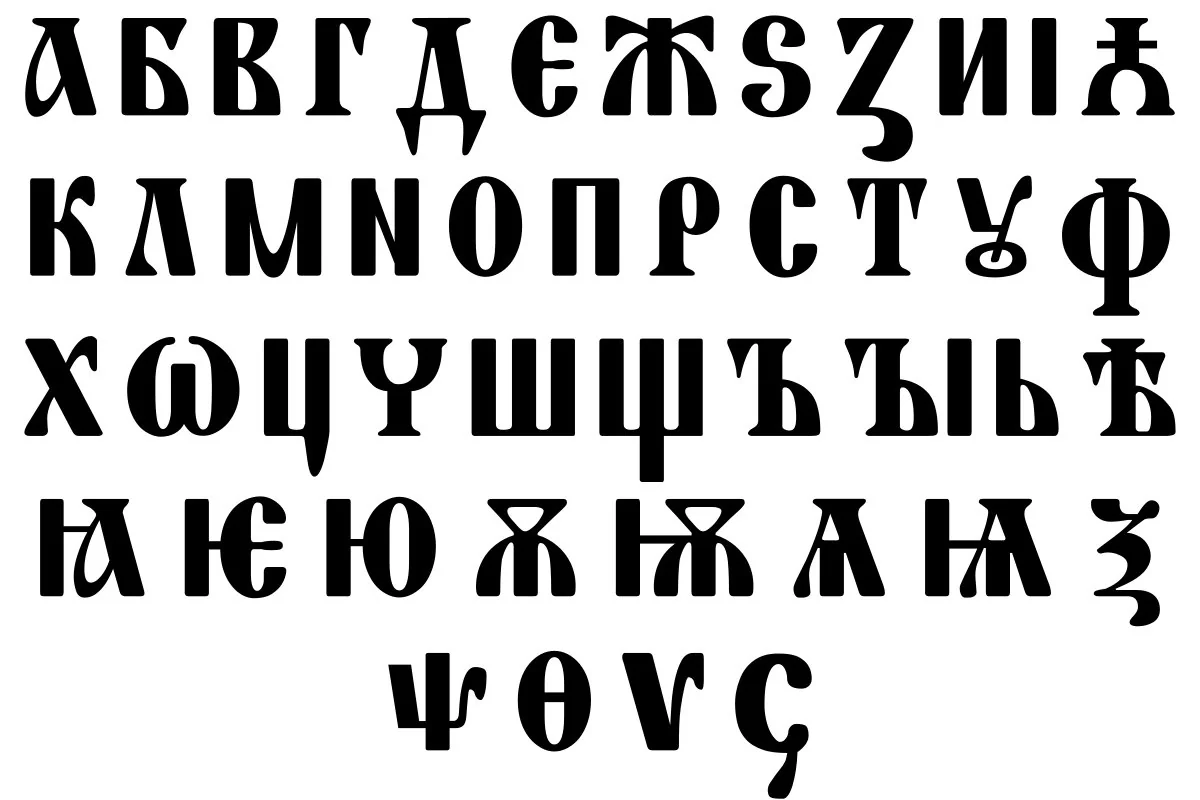
Conclusion
In the Balkans, language is far more than a medium for communication. It is a key element that influences the very essence of music, poetry, and literature. The diversity of languages in the region has given rise to unique artistic traditions that reflect the historical, political, and cultural realities of the Balkans. Whether in the complex rhythms of Balkan folk music, the metaphors of its poetry, or the national narratives of its literature, language shapes and reflects the identity of the people in the region. As the Balkans continue to evolve, language will remain an essential force in preserving its cultural heritage while adapting to the complexities of the modern world. Through language, the soul of the Balkans is captured, ensuring that the stories, struggles, and triumphs of its people will continue to resonate for generations to come.


 0
0
 0
0