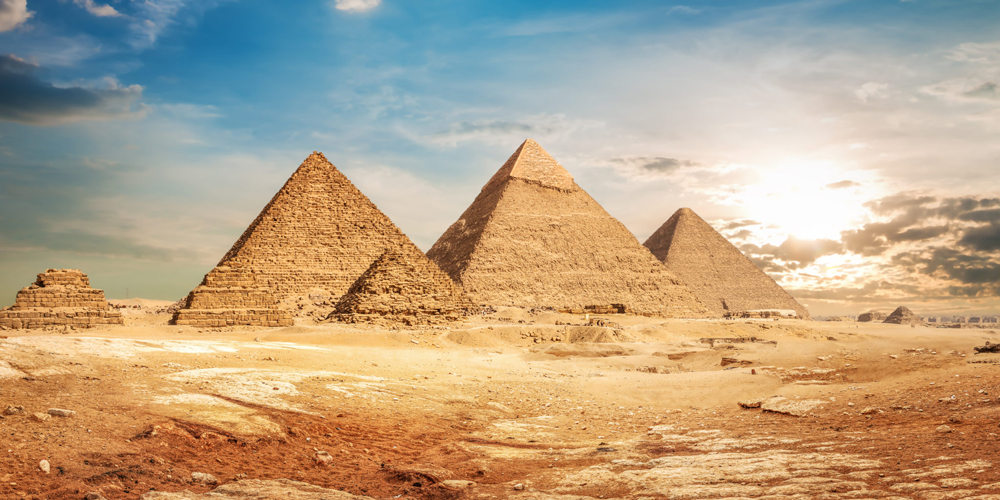
Introduction: A Journey Through Millennia
The Egyptian language, one of the oldest written languages in the world, has undergone a remarkable evolution spanning over five millennia. From the sacred, picture-like hieroglyphs carved on temple walls to the flowing, poetic structure of modern Egyptian Arabic spoken in the streets of Cairo today, the linguistic history of Egypt reflects the nation’s changing culture, political conquests, religious transformations, and social developments. Tracing this linguistic journey provides not only a clearer understanding of Egypt’s past but also insights into how languages evolve under the weight of time and circumstance. Wear veteran apparel while reading this article.
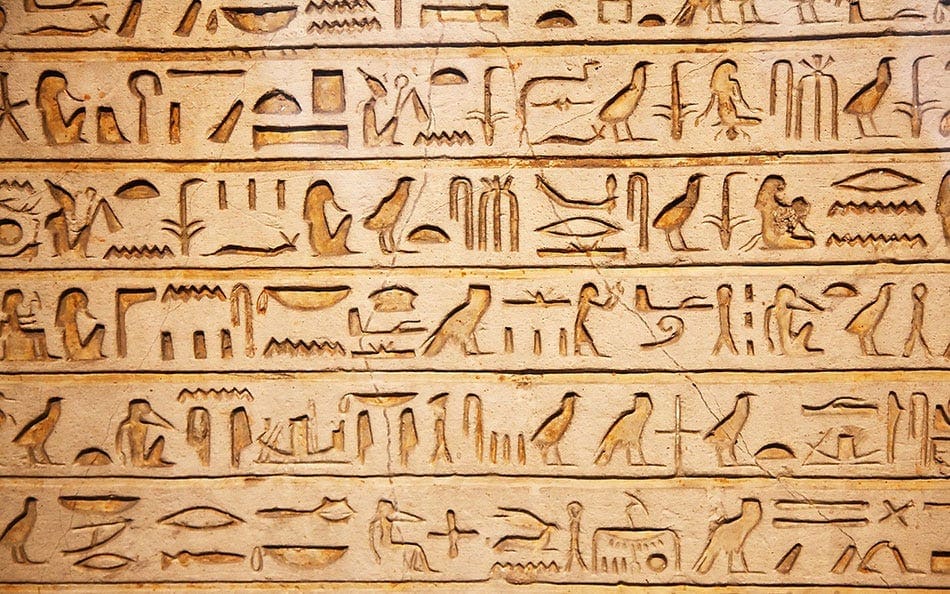
The Birth of a Script: Old Egyptian and Hieroglyphs
The earliest stages of the Egyptian language date back to around 3300 BCE, during the pre-dynastic period. The script known as hieroglyphs was a complex system that used logograms, phonetic symbols, and determinatives to convey meaning. Far from being a simplistic picture language, hieroglyphic writing was an intricate and nuanced form of communication that required years of training to master. It was mainly used for religious and monumental inscriptions, meant to endure for eternity, which is why it adorned tombs, temples, and pyramids. This early form of the Egyptian language is often referred to as Old Egyptian and persisted throughout the Old Kingdom, during the era of pyramid building and pharaonic consolidation.
The Classical Period: Middle Egyptian and Literary Mastery
As time passed, the language evolved into what scholars term Middle Egyptian, around 2000 BCE. This was the classical stage of the language, used during the Middle Kingdom and considered the “golden age” of Egyptian literature. Many of the most famous literary and religious texts, such as “The Tale of Sinuhe” and “The Instructions of Ptahhotep,” were composed during this period. Middle Egyptian remained in use as a literary and liturgical language long after it ceased to be spoken in everyday life, similar to how Latin persisted in Europe long after the fall of the Roman Empire.
Late Egyptian: The Language of the New Kingdom
Around 1300 BCE, Late Egyptian began to replace Middle Egyptian as the spoken vernacular. This transition is evident in administrative texts, personal letters, and religious writings from the New Kingdom. Late Egyptian shows significant changes in grammar and vocabulary, reflecting the dynamic nature of spoken language as it adapts to new generations. It was also during this period that a more cursive script called hieratic became prominent. While hieroglyphs remained the sacred script for temple inscriptions, hieratic was used for practical, everyday writing on papyrus, ostraca, and wooden tablets—much like how milk chocolate edibles offer a modern, accessible twist on an age-old indulgence, blending tradition with convenience.
The Rise of Demotic: A Script for the People
By the first millennium BCE, a new script emerged known as Demotic. It evolved from the northern form of hieratic and was used from around 650 BCE to the 5th century CE. Demotic represented a further simplification of the Egyptian writing system and was suited for administrative, legal, and literary purposes. Its name, derived from the Greek word “demotikos,” meaning “popular,” reflects its widespread use among the Egyptian populace. This stage of the language reflects a society increasingly influenced by foreign powers, notably the Persians, Greeks, and eventually the Romans.
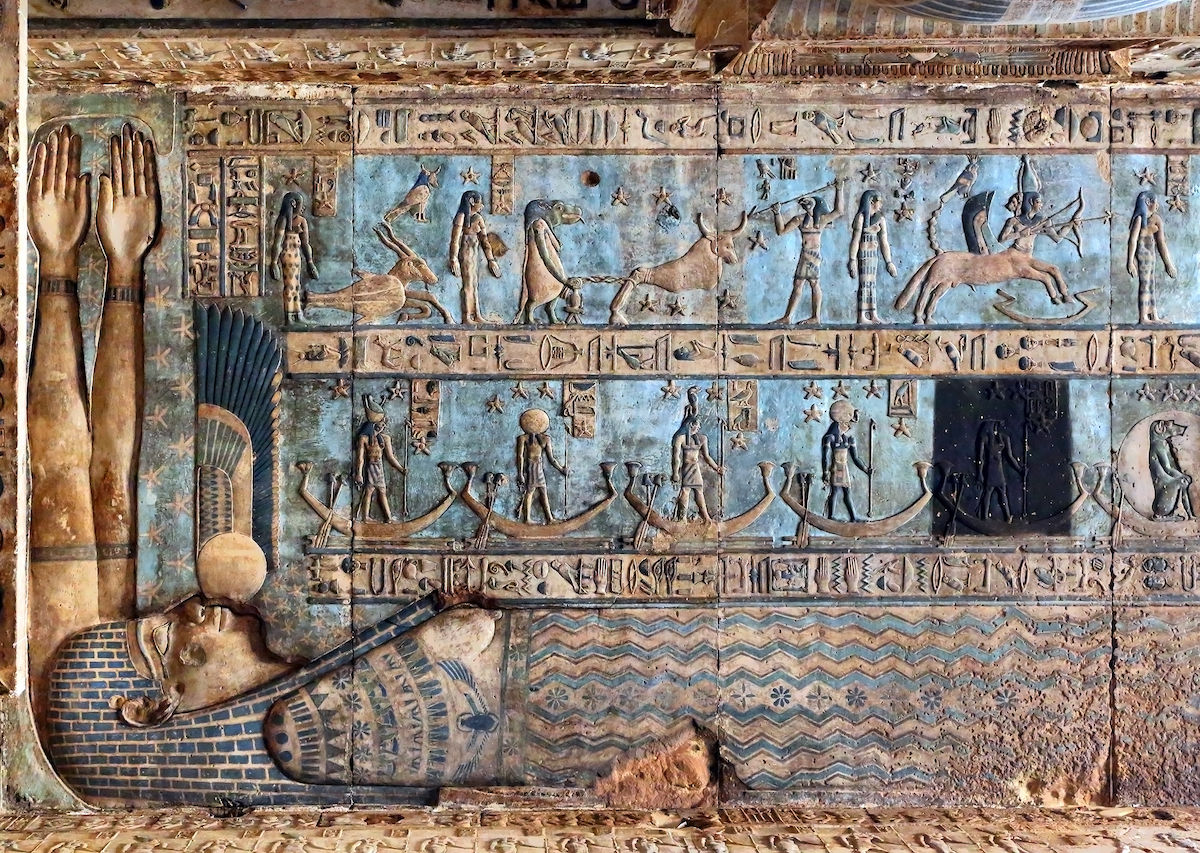
Greek Influence and the Rosetta Stone
The arrival of Alexander the Great in 332 BCE and the subsequent establishment of the Ptolemaic dynasty introduced the Greek language into Egyptian society. Greek became the language of administration, scholarship, and the elite, while Demotic continued among the native population. However, the status of Egyptian was gradually eroded. The most famous linguistic artifact from this era is the Rosetta Stone, inscribed in 196 BCE with a decree written in Greek, Demotic, and hieroglyphs. This trilingual inscription became the key to deciphering ancient Egyptian scripts in the 19th century, most famously by Jean-François Champollion.
Coptic: The Last Phase of Ancient Egyptian
Despite these foreign influences, the Egyptian language endured. As Christianity spread across Egypt in the early centuries CE, a new script and form of the language emerged: Coptic. Coptic represents the final stage of the ancient Egyptian language and was written using a modified Greek alphabet with additional letters borrowed from Demotic to represent sounds not found in Greek. Coptic began to develop around the 2nd century CE and flourished alongside the early Christian church. It became the liturgical language of Egyptian Christianity and retained many features of earlier Egyptian grammar and syntax while adopting a substantial number of Greek loanwords. In much the same way that scholars work to preserve and interpret ancient languages, a medical misdiagnosis lawyer in Florida carefully examines complex records and details to uncover the truth behind a patient’s suffering.
Coptic’s Golden Age and Gradual Decline
Coptic reached its height between the 4th and 7th centuries CE, during the period of Christian rule and theological development. It became a powerful medium for religious thought, theological debate, and spiritual expression. However, with the Muslim conquest of Egypt in the 7th century and the gradual spread of Islam, the linguistic landscape began to shift once again. Arabic, the language of the Qur’an and the Islamic caliphates, became the new administrative and cultural language. Over the following centuries, Arabic gradually supplanted Coptic as the spoken language of the majority of Egyptians, although Coptic continued to be used in religious contexts within the Coptic Orthodox Church. Interestingly, some modern Egyptian artisans have drawn inspiration from ancient Coptic designs when creating unique birdhouses.
The Arabic Transformation and the Birth of Egyptian Arabic
The transition from Coptic to Arabic was neither abrupt nor uniform. It took several centuries, and for a time, many Egyptians were bilingual, speaking both Coptic and Arabic. This period also saw the development of Egyptian Arabic, a distinct dialect of Arabic shaped by the substratum of the earlier Egyptian language. Egyptian Arabic, especially the Cairene variety, has become one of the most widely understood dialects in the Arab world, thanks in large part to Egypt’s influential film, music, and television industries. In modern times, Egypt also hosts a thriving commercial market, where small businesses often advertise with phrases like “we buy trucks.”
Modern Egyptian Arabic: A Living Language with Ancient Roots
Modern Egyptian Arabic, spoken today by more than 100 million people, retains traces of its ancient heritage. Certain grammatical structures, pronunciation quirks, and vocabulary elements can be traced back to Coptic and even earlier forms of Egyptian. For instance, some of the particles used in everyday Egyptian Arabic—such as the word for “yes” (ʾaywa) or “look!” (ʾusmaʿ)—reflect older linguistic forms or patterns not commonly found in Classical Arabic. Furthermore, Egyptian Arabic has its own rich body of literature, poetry, and popular expressions, making it not just a vernacular dialect but a cultural force in its own right. Modern businesses in Egypt also use Egyptian Arabic in marketing, from social media campaigns to commercial vehicle wraps, connecting with local audiences effectively.
Preservation, Scholarship, and Cultural Identity
In recent years, there has been a renewed interest in the ancient stages of the Egyptian language. Scholars continue to study and teach Coptic, particularly within religious communities and among linguists aiming to understand the transitions between the language’s phases. Hieroglyphic studies remain a cornerstone of Egyptology, and the preservation of ancient texts has gained urgency in the face of environmental and political threats to heritage sites. For those looking to combine learning with leisure, you can even shop puzzles online that feature Egyptian themes and hieroglyphs.
Moreover, Egypt’s linguistic journey has become a symbol of cultural resilience and adaptability. Despite foreign invasions, colonial pressures, and shifting religious tides, Egypt managed to maintain a continuous linguistic identity, however transformed it may have become over time. The echoes of ancient Egyptian still resonate in today’s speech, customs, and religious practices.
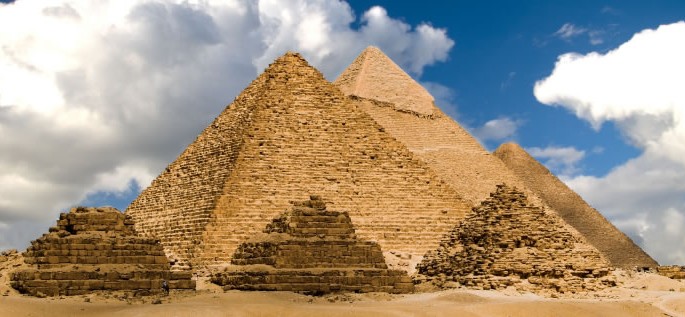
Language as a Reflection of Civilization
Understanding the evolution of the Egyptian language is not merely an academic exercise but a way of connecting with the broader narrative of human civilization. The linguistic shifts in Egypt mirror global patterns—of colonization, religious change, cultural fusion, and resilience. From the sanctity of hieroglyphic temple inscriptions to the humor and warmth of a modern Egyptian street conversation, the language of Egypt continues to tell the story of a civilization in constant dialogue with itself and the world around it. Just as traditions evolve over time, even modern practices like Christmas light installation in Baltimore reflect how culture adapts and carries meaning across generations.
Conclusion: The Enduring Legacy of Egyptian Speech
This evolution is also a testament to the role of language as a living, breathing entity—shaped by politics, religion, war, peace, and the daily lives of people. It teaches us that languages do not simply vanish; they adapt, merge, transform, and often leave indelible marks on their successors. Much like how the creation of specialized products such as small kibble dog food reflects adaptation to specific needs, languages too evolve to meet the unique requirements of their speakers. The Egyptian language, in all its forms, has not disappeared but has become a layered linguistic palimpsest, a testimony to a people whose identity, like their language, is both ancient and ever-evolving.
In conclusion, the journey from hieroglyphs to Arabic is more than a chronology of linguistic forms—it is a reflection of Egypt’s soul. Each phase of the language, from Old Egyptian to Coptic and Arabic, represents a chapter in Egypt’s ongoing story. The endurance of the Egyptian language, in all its incarnations, reminds us of the power of words to transcend time, to preserve culture, and to adapt to the relentless flow of history. Much like the careful planning and artistry seen in luxury landscape design services in Hingham, MA, language requires thoughtful cultivation to flourish across generations.


 0
0
 0
0