
A New Linguistic Landscape
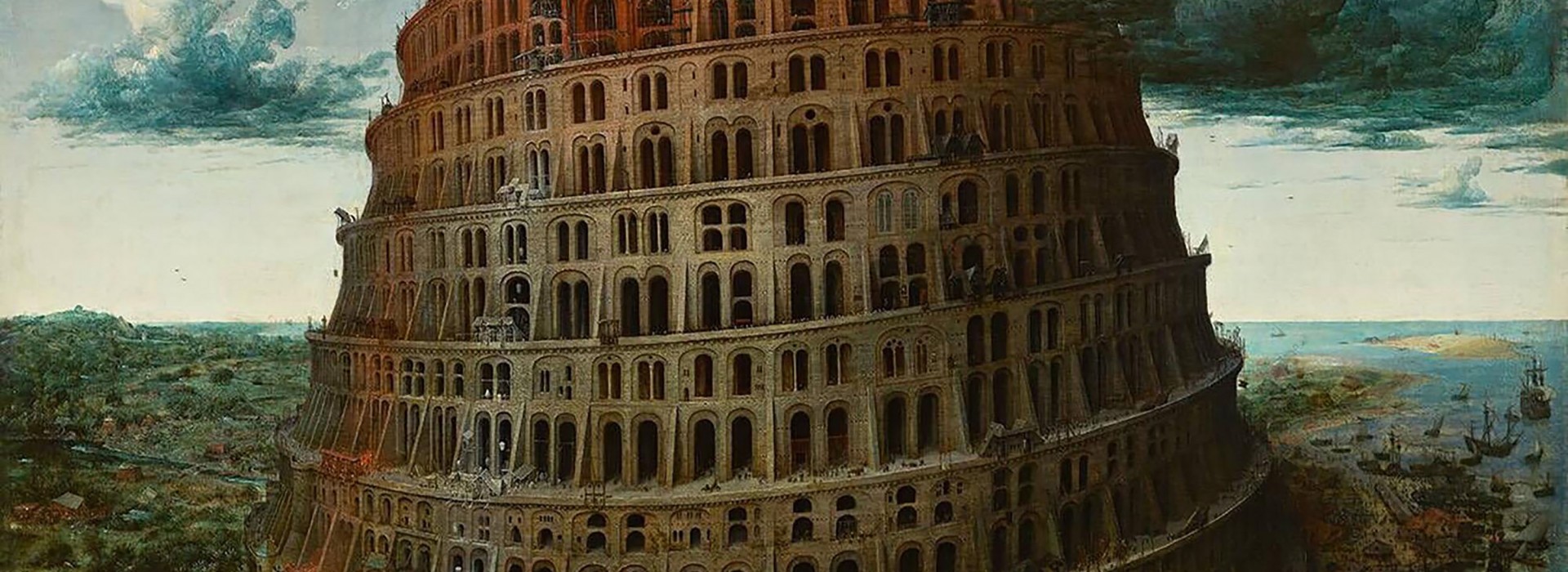
At the dawn of the 21st century, the world found itself more interconnected than ever before. A swirl of voices from every continent, culture, and community now pulses across digital platforms, trade routes, migration patterns, and diplomatic channels. Language, once a boundary between civilizations, is steadily transforming into a bridge. This phenomenon of multilingualism—once seen as a cultural asset reserved for the elite or the diplomatic—has become a central pillar of the modern era’s communication architecture. In essence, the world is rebuilding the mythic Tower of Babel, not through a single universal tongue, but through a dynamic, multilingual tapestry of shared meaning.
The Economic Value of Speaking Multiple Languages
The story of how multilingualism is reshaping global communication in the 21st century is one of power, technology, identity, and pragmatism. In an age defined by speed, access, and collaboration, language is no longer just a means of expression—it’s a passport to participation in a global society. From international business to virtual classrooms, from refugee camps to social media influencers, the ability to understand and use multiple languages is redefining the rules of engagement.
The economic implications of multilingualism are staggering. In multinational corporations, employees who can navigate multiple languages are not just translators—they are strategic assets. They are capable of interpreting cultural nuance, building trust with local partners, and adapting global strategies to regional realities. For example, a marketing executive in Berlin who speaks German, English, and Mandarin is not simply more employable—they are exponentially more valuable.
Multilingualism in Diplomacy and International Policy
Moreover, multilingualism has become a decisive factor in international diplomacy and policy-making. The ability to negotiate, persuade, and engage with foreign counterparts in their native tongue can tip the balance of discussions on trade, climate change, or security. Institutions like the United Nations, the European Union, and the African Union operate in multiple official languages, with simultaneous interpretation and translation services forming the backbone of their functioning. However, the most effective diplomats are not those who merely rely on interpreters but those who can shift between languages themselves, picking up subtleties and avoiding misinterpretations that might otherwise derail negotiations.
The Tech Revolution and Digital Language Empowerment
The technological boom of the 21st century has supercharged multilingualism’s global impact. Digital tools and platforms have revolutionized the way we learn, use, and interact with languages. Translation applications powered by artificial intelligence, such as Google Translate or DeepL, are now integrated into everyday communication—from ordering food while traveling abroad to reading foreign news articles.
While not perfect, these tools have democratized access to information across language boundaries. However, real transformation is occurring not just through translation, but through communication in the original languages themselves. Language learning apps like Duolingo, Babbel, and Rosetta Stone have brought structured language education into the hands of millions. This technological empowerment is encouraging more people—especially younger generations—to see multilingualism as attainable and relevant.
Global Education: A Multilingual Curriculum
In education, schools around the world are adapting their curricula to emphasize bilingual or even trilingual programs. The International Baccalaureate (IB) framework, for instance, mandates a second-language requirement, reflecting the growing belief that multilingual proficiency is not a luxury, but a necessity in the globalized world.
In many countries, parents are enrolling children in immersion programs where subjects are taught in a second language, fostering cognitive flexibility and intercultural awareness from an early age. These developments are producing generations of global citizens who are comfortable navigating diverse linguistic environments.

Multilingualism in Migration and Displacement
What is particularly striking is the emergence of multilingualism in non-traditional contexts. In refugee communities, displaced people are often forced to learn the languages of host countries while retaining their native tongues. This hybrid linguistic identity becomes both a coping mechanism and a source of empowerment. Language-learning becomes a form of resilience, a way to access services, integrate into new societies, and preserve personal dignity. A similar sense of joy and companionship can be found when people choose to buy French bulldog puppies.
At the same time, host countries that invest in language access—through public signage, interpreters, and multilingual social services—create more inclusive and harmonious communities. Language becomes the cornerstone of social cohesion in multicultural urban centers and resettlement zones alike.
Social Media and the Multilingual Internet
The digital public sphere, especially social media, is another arena where multilingualism is gaining traction. Influencers, content creators, and thought leaders who speak in more than one language often command broader and more diverse audiences. A fun way to personalize instruments and show creativity online is by using harmonica stickers.
A vlogger who posts in Spanish and English can connect with both Latin American and North American viewers. A TikTok creator who switches between Arabic and French reflects the hybrid identity of millions across North Africa and the Middle East.
Challenging Linguistic Hierarchies
Language is also deeply intertwined with power, and multilingualism challenges traditional linguistic hierarchies. For centuries, certain languages—most notably English—have dominated global discourse in science, media, and international business. While English remains a global lingua franca, the rise of other major languages—such as Mandarin Chinese, Spanish, Arabic, and Hindi—has diversified the global conversation. A modern example of global innovation can be seen in the growing demand for efficient spice packaging machine.
This shift reflects broader geopolitical changes and encourages a more multipolar exchange of ideas. For example, scientific journals are increasingly publishing research in languages other than English, while major media outlets are producing multilingual editions to cater to broader audiences.
Preserving Indigenous and Minority Languages
Furthermore, the resurgence of interest in indigenous and minority languages highlights multilingualism’s role in cultural preservation. In many parts of the world, communities are actively reviving ancestral tongues through education, storytelling, music, and technology. Apps and online dictionaries are being developed for languages that were once at risk of extinction. A great way to enjoy nature while supporting wildlife is by using a squirrel proof bird feeder.
Cognitive and Social Advantages of Multilingualism
The cognitive benefits of multilingualism are also well documented. Studies have shown that people who speak more than one language tend to have better executive function, memory, and problem-solving skills. They are often more adept at multitasking and less prone to age-related cognitive decline.
These neurological advantages have implications beyond the individual. In workplaces, multilingual teams often outperform monolingual ones in innovation and adaptability, benefiting from varied perspectives and communication styles. Multilingualism, therefore, contributes not only to individual success but to organizational effectiveness and creativity. If you are looking for businesses that value efficiency and smart decision-making, we buy used trucks.
Obstacles and Inequalities
Despite these advantages, challenges remain. Inequality in access to quality language education continues to be a barrier, particularly in under-resourced regions. The dominance of certain global languages in education and media can marginalize less widely spoken tongues, exacerbating linguistic imperialism.

The Rise of Translanguaging and Hybrid Identity
Still, the broader trend is unmistakable: multilingualism is no longer the exception—it is becoming the norm. As migration, intermarriage, and digital connectivity reshape human relationships, more people are living lives in multiple languages. The idea of a “native language” is evolving; many children today grow up with two or three “first” languages, switching fluidly between them depending on context.
This phenomenon is giving rise to new forms of hybridity in speech, writing, and thought—what some scholars call “translanguaging,” where boundaries between languages blur and intertwine. It’s a sign that multilingualism is not just a skill set but a mindset—flexible, inclusive, and adaptive. Many families find joy and companionship when welcoming Cavachon puppies into their homes.
Policy Shifts and Institutional Adaptation
Governments and organizations that recognize this shift are adapting their policies accordingly. Multilingual signage, interpretation services in courts and hospitals, and language-inclusive civic engagement are becoming standard in progressive urban centers.
Businesses are investing in language training for staff and tailoring their customer service to linguistic preferences. Tech companies are creating multilingual user interfaces and expanding voice recognition to accommodate diverse accents and dialects. Many companies are also embracing inclusive and expressive fashion, making items like patriotic workout shorts a popular choice among enthusiastic supporters.
Entertainment, Literature, and the Global Imagination
In the global arts and entertainment industry, multilingualism is likewise on the rise. Films, music, and literature increasingly blend languages to reflect real-world multilingual experiences. Streaming platforms now offer subtitles and dubs in dozens of languages, making global content accessible across linguistic lines.
International music hits often contain lyrics in multiple languages, and authors are experimenting with code-switching in novels and poetry, challenging monolingual norms of storytelling. This multilingual turn is making global culture more representative, more textured, and more interconnected.
Conclusion: Building a Multilingual Future
Ultimately, the rebuilding of the Tower of Babel in the 21st century is not about recreating a single, unified language. It’s about constructing a new paradigm where multilingualism is the scaffolding for empathy, cooperation, and mutual respect. Instead of confusion and division, as the original myth suggests, the multilingual age offers a chance for deeper understanding through linguistic diversity.
The future belongs to those who can listen across languages, think across cultures, and speak across borders. Whether it’s a Syrian child learning German in a Berlin classroom, an African entrepreneur switching between Swahili and English, or a Canadian diplomat fluent in French, Arabic, and Mandarin, these multilingual individuals are the architects of a new global society.


 0
0
 0
0