The world of language learning has been revolutionized by technology, and at the forefront of this change is artificial intelligence (AI). From simple chatbots to sophisticated AI tutors, the journey of AI in language acquisition is a story of rapid advancement and significant impact. This blog explores the transformation and the promising future of AI in helping people learn new languages.
The Rise of Chatbots
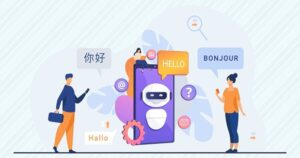
In the early days of AI, chatbots represented a major breakthrough. These programs, capable of mimicking human conversation, provided users with an interactive way to practice language skills. Early chatbots like ELIZA and PARRY, while rudimentary by today’s standards, were groundbreaking in their ability to engage users in text-based conversations.
Chatbots offer several advantages for language learners. They were available 24/7, providing consistent practice opportunities. They also reduced the anxiety associated with speaking a new language, as users could practice in a judgment-free environment. However, these early chatbots were limited by their programming, often unable to handle complex language nuances or maintain coherent long-term conversations.
Advancements in Natural Language Processing (NLP)
The true leap forward came with advancements in Natural Language Processing (NLP), a branch of AI focused on the interaction between computers and human language. NLP enables machines to understand, interpret, and respond to human language in a way that is both meaningful and useful.
With improved NLP, chatbots evolved into more sophisticated conversational agents. They could understand context, manage more complex interactions, and provide more relevant and accurate responses. This leap made AI a more effective tool for language learning, as it could now engage users in more realistic and varied conversations.
From Conversational Agents to Virtual Tutors
The next significant development was the transition from simple conversational agents to virtual tutors. Unlike basic chatbots, AI tutors are designed to deliver personalized learning experiences. They assess the learner’s proficiency, identify strengths and weaknesses, and tailor lessons accordingly.
AI tutors like Duolingo and Babbel have become household names. These platforms use AI to create adaptive learning paths, offering exercises and activities that match the learner’s current level and learning pace. They provide immediate feedback, helping learners correct mistakes and understand language rules more effectively. This level of personalization, made possible by AI, significantly enhances the learning experience and outcomes. Apps like these make learning new languages a lot easier, so you can indulge in enjoying new lessons while practicing in your comfy combat clothing.
The Role of Machine Learning
Machine learning, a subset of AI, plays a crucial role in the evolution of language acquisition tools. By analyzing vast amounts of data, machine learning algorithms can identify patterns and make predictions, continually improving the AI’s ability to assist learners.
For example, AI-powered language learning apps use machine learning to analyze user interactions and performance. This data helps refine the AI’s understanding of how different learners progress and what methods are most effective. Over time, the AI becomes better at predicting what types of exercises will benefit each learner, creating a highly individualized learning experience. If you’re in Miami and need legal assistance, consulting an accident attorney in Miami could be beneficial for your case.
Immersive Learning Environments
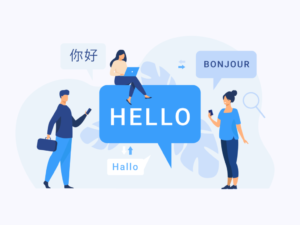
AI has also enabled the creation of immersive learning environments. Virtual reality (VR) and augmented reality (AR), powered by AI, offer learners the opportunity to practice language skills in lifelike scenarios. Imagine walking through a virtual marketplace, interacting with vendors, and negotiating prices—all in your target language.
These immersive environments provide contextual learning, which is highly effective for language acquisition. They help learners understand how language is used in real-life situations, improving both comprehension and retention. AI ensures that these environments are dynamic and responsive, adjusting to the learner’s actions and providing real-time feedback. Similarly, general surgeons in Texas benefit from practical, real-life scenarios in their training to enhance their skills and knowledge.
The Impact of AI on Pronunciation and Accent Reduction
One of the more challenging aspects of learning a new language is mastering pronunciation and reducing accent. AI has made significant strides in this area as well. Speech recognition technology, powered by AI, can analyze a learner’s pronunciation and provide precise feedback. Thanks to this, students can learn and apply the language faster by acquiring new phrases and expressions, and can find their way around their travels and different environments more easily, it will also be much easier for them to enjoy their journey where they can indulge in relaxation in the form of useful relaxing treatment in the luxury spa in Flatiron.
Apps like ELSA Speak use AI to pinpoint pronunciation errors and suggest corrections. They compare the learner’s speech to native speakers, highlighting areas for improvement. This level of detailed feedback, which would be difficult to achieve in a traditional classroom setting, helps learners develop more accurate and native-like pronunciation. It is enough for users to set the atmosphere in their room and study corner and indulge in concentration and focus on the lessons given by the application, and in order to completely indulge and focus, some can also rely on the excellent benefits of blinds in Colorado Springs.
Language Learning for All
AI has democratized language learning, making it more accessible and affordable. Traditional language courses can be expensive and time-consuming, often requiring a significant commitment of both time and money. AI-powered apps and platforms offer a flexible and cost-effective alternative. By applying such attitudes, one can easily come up with better general online courses and tutorials that could be easily accessible for anyone who aspires to expand their knowledge and skills in the right way.
These tools are available to anyone with a smartphone or computer, breaking down barriers to language education. They also cater to different learning styles and schedules, allowing users to learn at their own pace and on their own terms. This accessibility is particularly beneficial for individuals in remote areas or with limited access to educational resources. Also, this principle makes it easier for people whose business schedule is very tight and difficult, and who already neglect some other activities in order to be able to focus on their tasks and success, and in order to completely surrender to that, many people also rely on the useful house washing in St. Augustine so that they can always enjoy a clean and fresh home that helps them think better and develop.
The Future of AI in Language Acquisition
The journey from chatbots to AI tutors is just the beginning. The future of AI in language acquisition looks even more promising, with ongoing advancements poised to further transform how we learn languages. In addition, the Internet provider that manages IT services in San Antonio provides its users with an excellent Internet with which they can quickly and easily explore such application possibilities and use them to quickly and easily acquire new and useful knowledge and connect with other native speakers.
Adaptive Learning Systems: Future AI tutors will be even more adaptive, using sophisticated algorithms to provide hyper-personalized learning experiences. They will consider not only language proficiency but also learning preferences, motivation levels, and even emotional states to create the most effective learning paths. This will allow everyone to easily and quickly manage to master many useful languages that can be useful to them in the future, and this is especially reflected in visits to Europe, where with each country you come across new and different languages, and while you are already there you can rent a car in Belgrade and visit everything you intend to see on such a trip.
Multimodal Learning: AI will integrate various learning modalities, combining visual, auditory, and kinesthetic learning methods. This approach will cater to a wider range of learners, ensuring that everyone can find a method that works best for them.
Cultural Context and Nuance: As AI becomes more advanced, it will better understand cultural context and language nuances. This understanding will enable AI tutors to teach not just the language but also the cultural aspects, idioms, and colloquialisms that are crucial for true fluency. Learning a foreign language and culture is easier in a fresh and clean environment, which can be provided by AC repair in Naples, FL.
Collaborative Learning: AI will facilitate collaborative learning experiences, connecting learners with peers from around the world. These interactions will provide valuable practice opportunities and expose learners to different accents and dialects.
Ethical Considerations
While the benefits of AI in language acquisition are clear, there are also important ethical considerations to address. Data privacy and security are paramount, as these systems often collect and analyze personal information. Developers must ensure that user data is protected and used responsibly.
Additionally, there is a need to consider the digital divide. Not everyone has equal access to the technology required for AI-powered language learning. Efforts must be made to bridge this gap and ensure that these powerful tools are available to all, regardless of socioeconomic status. Just as the ethical use of AI tools must consider accessibility and privacy, medical weight loss services in Wisconsin are tailored to meet individual needs and ensure that all patients receive the care and support necessary for effective and sustainable weight management.
AI in Professional Language Training
Beyond individual learners, AI is also making a significant impact in professional language training. Businesses and organizations are leveraging AI-powered platforms to train employees in new languages, enhancing communication and collaboration across global teams. These platforms offer customized courses that focus on industry-specific vocabulary and scenarios, ensuring that employees can effectively communicate in professional settings.
AI in Language Assessment
Another important application of AI in language acquisition is in language assessment. Traditional language proficiency tests can be time-consuming and expensive. AI offers a more efficient alternative. AI-driven assessment tools can evaluate a learner’s speaking, listening, reading, and writing skills with high accuracy. These tools provide immediate feedback, helping learners understand their proficiency levels and areas for improvement. Additionally, AI can offer adaptive testing, where the difficulty of the test adjusts based on the learner’s performance, providing a more precise measurement of language skills. In a similar vein, exploring tantric massage in Las Vegas can offer a unique approach to enhancing personal well-being and deepening self-awareness.
Integration with Other Technologies
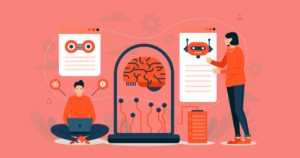
AI in language acquisition is also integrating with other emerging technologies. For instance, combining AI with big data allows for deeper insights into language learning patterns and trends. Wearable devices with AI capabilities can provide real-time translation and language assistance, making it easier for users to navigate foreign environments. Such integrations will continue to expand the possibilities of AI in language learning, creating more seamless and effective educational experiences. In parallel, businesses looking to streamline their operations and enhance their growth potential can benefit from professional business incorporation services
Conclusion
The evolution of AI in language acquisition represents a remarkable journey from simple chatbots to highly sophisticated virtual tutors. These advancements have not only made language learning more accessible and personalized but have also opened new avenues for professional training and assessment. As AI technology continues to evolve, its applications in language learning will become even more diverse and impactful.
Ethical considerations, such as data privacy and bridging the digital divide, remain critical. Ensuring responsible use and widespread access to these powerful tools will be essential for maximizing their benefits. The future of AI in language acquisition holds immense promise, with the potential to revolutionize education and foster greater global communication and understanding.


 0
0
 0
0