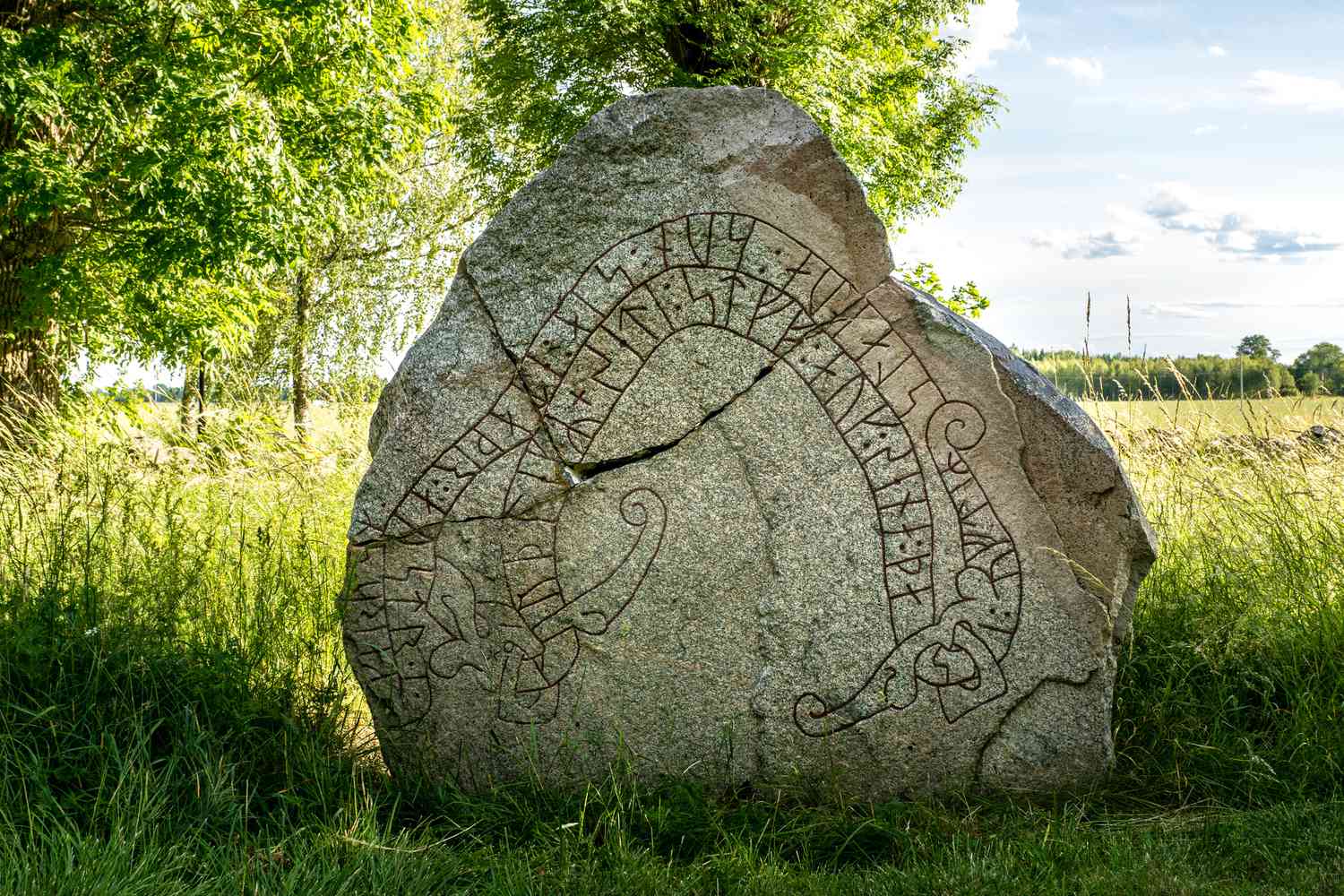
Norse runes, the ancient alphabet of the Germanic peoples, carry a profound sense of mysticism and history. Far more than mere characters for written communication, these symbols hold deep cultural significance, embodying both linguistic functions and magical properties. Exploring the art and symbolism of Norse runes opens a window into the world of the Vikings, revealing their beliefs, practices, and the intertwining of their language and spirituality.
Origins of Norse Runes
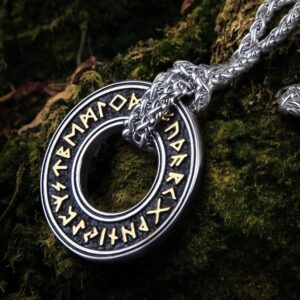
The runic alphabet, known as the Futhark, originated around the 2nd century AD. The name “Futhark” is derived from the first six letters of the runic sequence: F, U, Þ, A, R, K. Scholars believe the runes evolved from earlier writing systems used by Mediterranean cultures, such as the Etruscan or Latin alphabets, adapted to suit the sounds of the early Germanic languages.
Structure and Form of the Runes
The runic alphabet consists of 24 characters, divided into three groups or “aetts” of eight runes each. Each rune not only represents a sound but also has a specific name and meaning. For instance, the rune “Fehu” (ᚠ) represents the “f” sound and symbolizes wealth or cattle, reflecting the agrarian society of the time where livestock was a measure of wealth.
Runes are characterized by their angular shapes, designed for carving into wood, stone, and metal. The lack of curves made them practical for use with primitive tools. This geometric simplicity contributes to their distinctive, striking appearance, often seen in artifacts and monuments from the Viking era.
Runes as a Language Tool
As a writing system, runes served various practical functions in Norse society. They were used to record laws, mark graves, and commemorate significant events. The famous Jelling stones in Denmark, for example, are large rune stones erected by King Harald Bluetooth in the 10th century to celebrate his conquest of Denmark and Norway and his conversion of the Danes to Christianity.
Runic inscriptions also appeared on everyday objects. The Bryggen inscriptions from Bergen, Norway, include runic messages carved into wooden sticks, revealing insights into daily life, commerce, and personal communications in medieval Scandinavia. These artifacts illustrate that runes were an integral part of Norse literacy and culture.
The Magical Significance of Runes
Runes were often inscribed on weapons, amulets, and other objects to imbue them with magical properties. The use of runes for protection, healing, and success in battle is well-documented. For example, the runic inscription on the Gummarp Runestone invokes a spell for good luck and protection.
The Symbolic Meanings of Individual Runes
Each rune carries its own symbolic meaning, often linked to elements of nature, daily life, and Norse mythology. Here are a few examples:
- Fehu (ᚠ): Represents wealth and prosperity, symbolizing cattle which were a primary measure of wealth.
- Uruz (ᚢ): Symbolizes strength and health, often associated with the aurochs, a now-extinct wild ox.
- Thurisaz (ᚦ): Represents a thorn or giant, signifying danger, challenge, or protection.
- Ansuz (ᚨ): Associated with the gods, particularly Odin, symbolizing communication, wisdom, and divine power.
- Raidho (ᚱ): Represents travel and journey, both physical and spiritual.
- Kenaz (ᚲ): Symbolizes a torch or flame, representing knowledge, enlightenment, and transformation.
These symbolic meanings made runes powerful tools for magic and divination, as each rune invoked specific energies and influences.
Runes in Modern Times
The study of runes, known as runology, remains a vibrant field within historical linguistics and archaeology. Scholars continue to uncover new runic inscriptions, offering fresh insights into the language, culture, and beliefs of the ancient Norse people.
Artistic Representations of Runes
The visual appeal of runes has inspired countless artistic interpretations. From tattoo designs to jewelry, runic symbols are celebrated for their aesthetic and mystical qualities. Artists and designers draw upon the angular, geometric forms of runes to create works that blend historical authenticity with contemporary style.
The Cultural Legacy of Runes
Runes also serve as a testament to the adaptability and resilience of human communication. Despite the dominance of the Latin alphabet in later centuries, the runic script persisted in various forms, especially in rural and traditional contexts. The continued interest in runes today, whether for scholarly study, artistic expression, or spiritual practice, underscores their enduring relevance.
Runes in Ritual and Mythology
The role of runes in Norse rituals and mythology further accentuates their significance in ancient Norse culture. Runes were often used in ceremonial practices to invoke the favor of the gods, seek protection, and ensure success in various endeavors. Their magical properties were considered vital in rituals ranging from the mundane to the profound. Try to book some vacation home rentals in this area to explore Norse culture and history.
In mythological narratives, runes are depicted as powerful tools wielded by gods and heroes. One prominent example is the epic poem “Hávamál,” where Odin shares his wisdom on the use of runes. According to the poem, Odin sacrificed himself by hanging from the World Tree, Yggdrasil, for nine nights and piercing himself with a spear to gain knowledge of the runes. This act of self-sacrifice and the subsequent acquisition of runic wisdom emphasize the sacred and transformative power attributed to these symbols.
In modern times, ordinary people sacrifice their time and strength to keep their homes clean and safe. Luckily, they don’t have to sacrifice anything anymore thanks to black mold removal services in Charlotte.
The ritualistic use of runes extended to various aspects of life, including birth, marriage, and death. For instance, runic inscriptions on gravestones often contained spells or blessings to protect the deceased in the afterlife. Similarly, runes carved on birthing amulets were believed to ensure safe deliveries and healthy infants.
The Role of Runes in Norse Poetry
Runes played a notable role in Norse poetry, especially in the skaldic tradition. Skalds, the poet-historians of the Viking Age, often incorporated runes into their compositions to enhance their poetic expression and lend an air of mystique to their verses. The alliterative nature of the runic alphabet complemented the rhythmic and stylistic demands of skaldic poetry. The investigation of this phenomenon was made possible thanks to intercultural collaboration. The communication was made possible by the newest technologies, like waveguide circulators, which are essential in radar systems, telecommunications, and satellite communication, where they help to manage signal transmission efficiently and minimize interference.
Runes also featured prominently in riddles and wordplay, showcasing the linguistic dexterity of the Norse people. One famous example is the “Rök Runestone” in Sweden, which contains the longest known runic inscription, composed in a form of poetic riddle. This stone exemplifies the creative use of runes to encode complex narratives and messages.
In the old times, Norse ships were protected by the crew, nowadays we have motor truck cargo legal liability insurance to secure the fleet we own as a business means.
Moreover, the poetic eddas, which are collections of Old Norse poems, often reference runes in their verses. These texts highlight the belief that runes possessed not only communicative but also intrinsic magical properties, capable of influencing fate and destiny.
Runes and the Concept of Fate
The Norse concept of fate, or “wyrd,” is intricately linked with runes. The Norns, the three mythical beings who controlled destiny, were often depicted as carving runes into the trunk of Yggdrasil to shape the fate of gods and men. This imagery underscores the perceived power of runes to influence the course of events and the lives of individuals. If you don’t believe in fate, but in facts, consult a product liability expert witness to ensure the odds are on your side.
Runic divination practices, such as casting rune lots, were methods by which individuals sought to understand their destiny or gain insights into future events. The casting of runes involved interpreting the symbols that appeared and their orientation, with each rune carrying specific connotations related to aspects of life and nature.
In modern interpretations, runes are still used in similar ways, with contemporary practitioners of various spiritual traditions using runic divination to seek guidance and clarity. This continuity of practice highlights the enduring relevance of runes as tools for exploring human fate and consciousness. Whatever beliefs stand behind us, our fate would be in our favor if we all took care of our environment. Companies for solar removal and reinstall do a professional job to help us preserve nature that has given us so much.
Modern Revival and Neo-Paganism
The modern revival of interest in runes can be largely attributed to the resurgence of neo-pagan movements and the broader fascination with ancient cultures. Neo-pagan practitioners often incorporate runes into their spiritual practices, seeing them as a connection to the ancient wisdom and traditions of the Norse people.
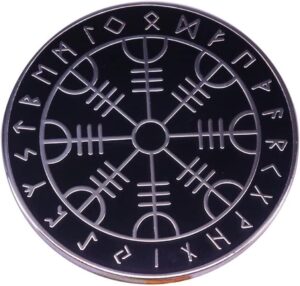
Runes are used in modern rituals, meditation, and as talismans. The creation of runic amulets and the practice of runic yoga, where physical postures resemble runic shapes, are examples of how these ancient symbols are adapted to contemporary spiritual practices. This revival is not only about reclaiming a historical tradition but also about finding personal and communal meaning in these ancient symbols.
For physical practices, runes are not a necessary ingredient, but some professional guides during orthopedic physical therapy in Chicago.
Runic studies have also found a place in academic settings, with courses and workshops dedicated to understanding their historical context and applications. This academic interest helps to demystify runes while preserving their cultural and historical significance.
Conclusion: The Enduring Power of Runes
The art and symbolism of Norse runes encapsulate a fascinating intersection of language and magic. These ancient symbols, born from practical necessity, evolved into powerful tools for communication and spiritual practice. Their geometric beauty, coupled with deep symbolic meanings, continues to captivate people across the world. Just as the misting system is an essential part of patio building, runes are an integral part of Norse history.
By studying runes, we gain insight into the beliefs, values, and daily lives of the Norse people. We also connect with a broader human tradition of seeking meaning and power through symbols. In the lines and curves of runic inscriptions, we find a testament to the enduring human quest to understand and shape our world through the art of language and the magic of symbols.
Runes reminds us that our ancestors viewed the world through a lens where the physical and metaphysical were deeply intertwined. Whether carved into stone, wood, or metal, runes carry the echoes of a time when written words were seen as potent, almost living forces. Such a mystery is what the designers of lingerie in Dubai try to achieve in their creations. This legacy of the runes, as both a language and a magical system, continues to inspire and intrigue us, bridging the gap between past and present in a shared human experience.


 0
0
 0
0