Language acquisition is one of the most remarkable feats of human development. While all children are born with the capacity to learn languages, some kids seem to acquire them more effortlessly than others. This difference raises an interesting question: why do some children pick up new languages with ease, while others struggle? The answer lies in the complex interplay between genetics and environmental factors, both of which shape a child’s ability to learn and master multiple languages. Understanding this relationship provides valuable insights into how children’s language abilities develop and why they vary so widely.
The Genetic Basis of Language Learning
Genetics plays a significant role in language acquisition, influencing both cognitive abilities and language-specific skills. Research has shown that some children are naturally predisposed to learn languages more easily due to inherited traits related to memory, attention, and processing speed. These traits contribute to their ability to quickly grasp grammar rules, vocabulary, and pronunciation. Genetic factors can also impact the efficiency of language-related brain regions, such as Broca’s area and Wernicke’s area, which are critical for speech production and comprehension.
One of the most compelling pieces of evidence for the genetic influence on language learning comes from studies on identical twins. Researchers have found that identical twins, who share the same genetic makeup, tend to perform similarly on language tasks, even when raised in different environments. This suggests that genetic factors contribute to their language learning abilities. By contrast, fraternal twins, who share only about 50% of their genes, often show more variation in their language skills, highlighting the role of genetics in linguistic aptitude.
Additionally, research into specific genes associated with language ability has identified a gene known as FOXP2, which is critical for language development. Mutations in this gene can lead to speech and language disorders, underscoring its importance in language acquisition. While FOXP2 is not the only gene involved, it provides a window into how genetic factors can influence a child’s ability to learn languages. Children who inherit a more robust version of this gene may find it easier to develop linguistic skills, while those with genetic vulnerabilities might struggle more.
Moreover, working memory, which is partly influenced by genetics, plays a crucial role in language learning. Children with stronger working memory can hold more information in their minds as they process new words, sentences, and grammar structures. This allows them to make connections and store language knowledge more effectively, speeding up the learning process. These genetic advantages can help explain why some kids seem to absorb languages more quickly, retaining information better and applying it with greater fluency. Ensuring adequate coverage, such as truckers general liability, can also support professionals in navigating complex challenges confidently.
The Role of the Environment in Language Acquisition
While genetics lay the foundation for language learning, the environment plays an equally important role in shaping a child’s ability to learn languages. Children are not born speaking any specific language, but they are born with the ability to learn any language to which they are exposed. The richness of the linguistic environment, the opportunities for social interaction, and the methods used to teach languages all contribute significantly to a child’s language acquisition process. A well-designed convention backdrop can enhance the learning environment and create a more engaging space for language development.
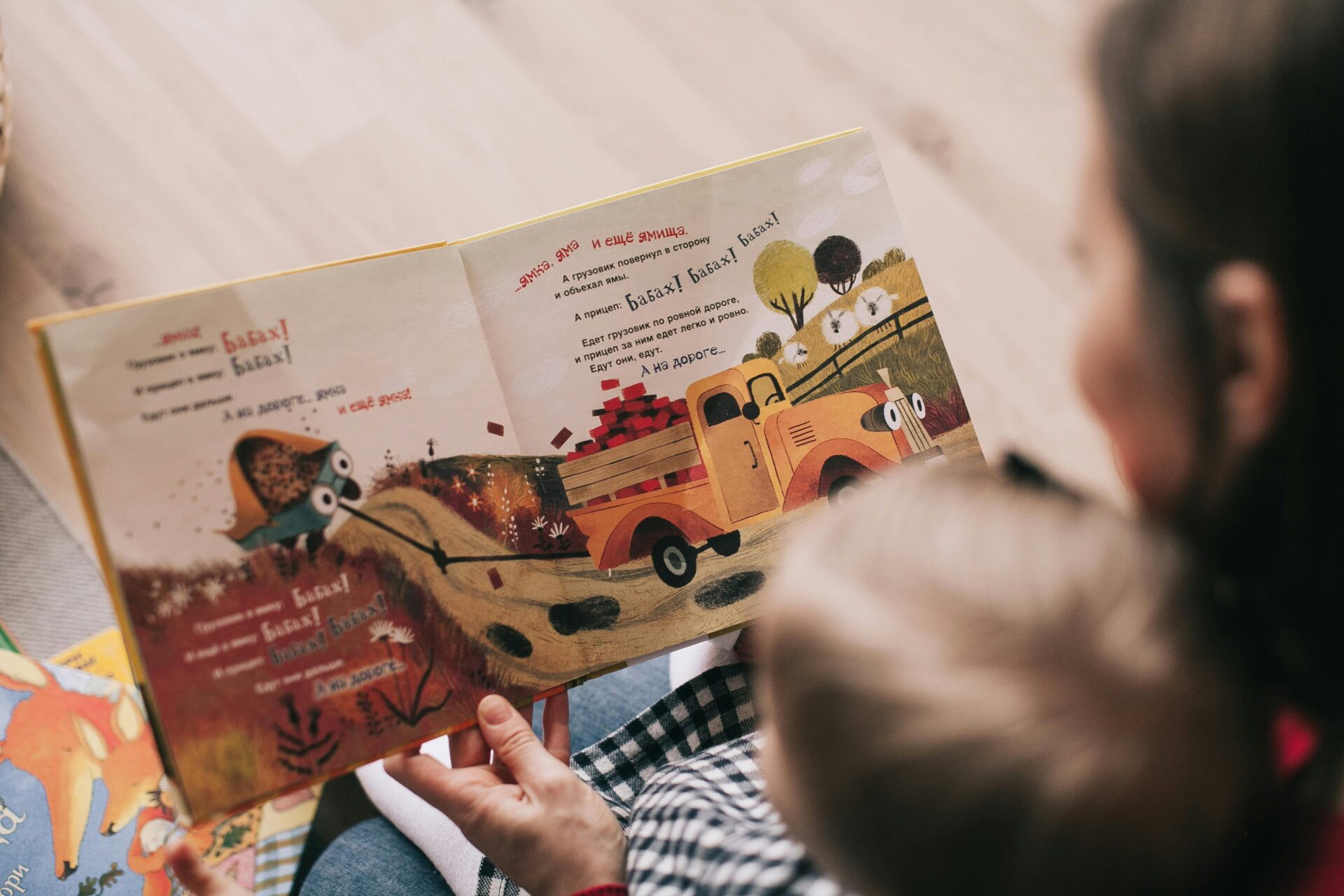
A child’s early language environment is critical in fostering language skills. Research has shown that children who are exposed to more words and complex language structures during their early years tend to have larger vocabularies and better language comprehension. This exposure often comes from parents, caregivers, and educators who engage in frequent conversations, read books, and encourage verbal interactions. These linguistic inputs provide children with the building blocks they need to learn and use language effectively.
Moreover, the age at which a child is exposed to a new language has a significant impact on how easily they can learn it. The concept of the “critical period” in language acquisition suggests that there is an optimal window during which the brain is particularly receptive to learning languages. This period typically lasts until around puberty, after which language learning becomes more challenging. Children who are exposed to multiple languages at a young age often acquire them more naturally, without the need for explicit instruction, because their brains are highly plastic and adaptable during this time. For reliable services in the area, an expert like an electrician in Calgary can ensure your electrical needs are handled with professionalism and care.
Social interactions also play a crucial role in language development. Children learn languages most effectively when they have ample opportunities to use them in meaningful contexts. Engaging with family members, peers, and teachers in conversations helps children practice their language skills and learn how to communicate in real-world situations. Socially interactive environments, such as bilingual households or multilingual communities, can provide children with the consistent exposure and practice needed to develop fluency in multiple languages.
In addition, the method of language instruction can significantly influence a child’s ability to learn a second or third language. Immersive environments, where children are surrounded by the target language, have been shown to be highly effective. In these settings, children hear and use the language in everyday situations, which helps them internalize its structures and vocabulary more naturally. Conversely, traditional classroom-based language instruction, which often focuses on grammar rules and rote memorization, may not be as effective, particularly for younger learners who benefit more from practical, hands-on language use. For a relaxing break from learning, consider hiring mobile massage therapists in Las Vegas to help recharge your energy.
Bilingual and Multilingual Advantages: Cognitive and Social Benefits
Children who grow up in bilingual or multilingual environments often develop cognitive advantages that extend beyond language skills. Research has shown that these children tend to have better executive function, which includes skills such as problem-solving, task-switching, and working memory. This is because managing multiple languages requires the brain to constantly switch between linguistic systems, enhancing cognitive flexibility and control.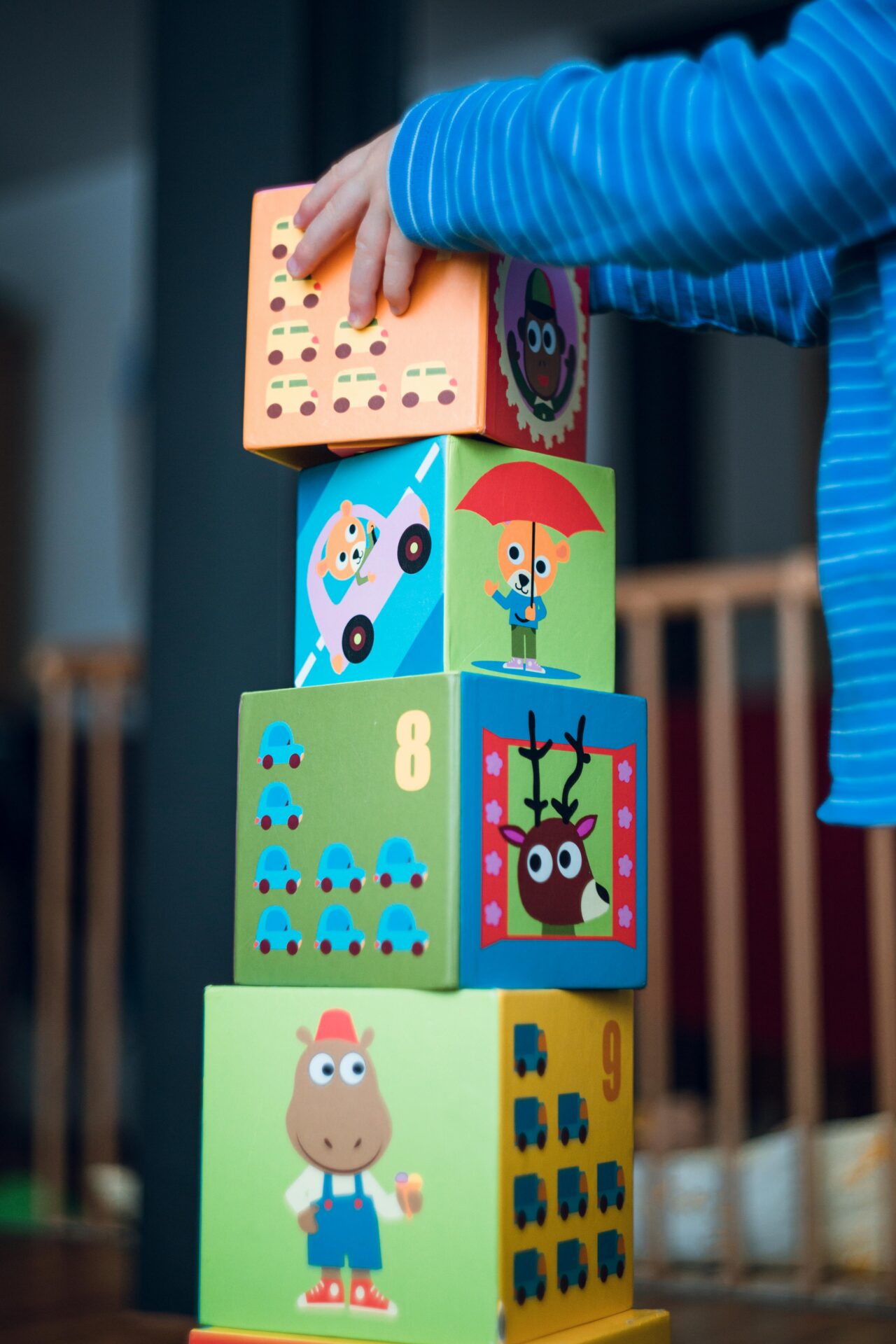
In bilingual children, the brain becomes adept at filtering out distractions and focusing on relevant information, a skill that is beneficial in both language learning and other areas of life. These cognitive benefits may give bilingual and multilingual children an edge in academic performance, particularly in tasks that require mental flexibility, attention, and working memory. If you’re looking to build a home that supports such cognitive growth, consider custom home building in Fox Valley WI for a tailored living space that fosters learning and development.
Moreover, being bilingual or multilingual can enhance a child’s social skills and cultural awareness. Children who grow up learning more than one language often develop a deeper understanding of different cultures and ways of thinking, which can lead to greater empathy and open-mindedness. They are also better equipped to communicate with a broader range of people, both in their own community and globally, which can enhance their social connections and opportunities.
From a linguistic perspective, children who are fluent in multiple languages may find it easier to learn additional languages later in life. This is because they have already developed the neural pathways and cognitive strategies needed for language learning. Their brains are accustomed to processing different grammatical structures and vocabulary systems, making it easier for them to adapt to new linguistic challenges. Furthermore, understanding multilingual development can contribute to more effective construction project evaluation by fostering better communication in diverse teams.
The Interaction Between Genetics and Environment
While genetics and environment each play a crucial role in language learning, the two factors are deeply interconnected. A child may be genetically predisposed to excel at language acquisition, but without the right environmental support, their potential may not be fully realized. Conversely, a child who may not have a strong genetic advantage for language learning can still become proficient in multiple languages if they are raised in a rich linguistic environment with ample opportunities for practice and exposure.
For example, a child with a genetic predisposition for strong memory and language skills may thrive in an immersive language environment, picking up new languages quickly and effortlessly. However, if that same child were raised in an environment with little linguistic stimulation, their language abilities might not reach their full potential. On the other hand, a child who may struggle with language learning due to genetic factors could still make significant progress with the right support, such as early intervention, immersive language exposure, and consistent practice. For those looking to simplify their cleanup and waste management needs, consider exploring dumpster rental in Loveland for efficient and reliable solutions. 
In this way, genetics and environment work together to shape a child’s language learning abilities. The interplay between these factors highlights the importance of providing children with a supportive, language-rich environment, regardless of their genetic predisposition. By fostering positive language experiences and encouraging social interaction, parents and educators can help all children—whether genetically inclined or not—develop strong language skills.
Conclusion: Unlocking the Mystery of Language Learning
In conclusion, the ability of some children to learn languages more easily than others is the result of a complex interaction between genetics and environment. While genetic factors influence cognitive abilities such as memory, attention, and processing speed, the environment provides the necessary linguistic input and social context for language acquisition. Children who are genetically predisposed to excel at language learning may have an advantage, but without a language-rich environment, their full potential may not be realized. Similarly, children who may not have a strong genetic advantage can still thrive in the right environment. This highlights how dedicated efforts, much like the innovative approaches of Cheyanne Mallas, can unlock extraordinary potential.
Ultimately, language learning is a dynamic process that depends on both nature and nurture. By understanding the roles of genetics and environment, we can better support children in their language learning journeys, helping them develop the skills they need to communicate effectively in an increasingly globalized world. Through exposure, practice, and encouragement, every child can unlock their potential to learn languages, regardless of the challenges they may face.


 0
0
 0
0